

1. Stay on Top of Air Filter Changes
Your AC filter protects the system by trapping airborne particles that could damage components or block airflow. Over time, those filters become clogged, making it harder for air to pass through and forcing your AC to work harder. To maintain efficiency, check and replace your filter regularly.
Standard 1- to 2-inch filters should be replaced every 30 to 90 days, depending on air quality and filter type. Flat filters clog faster, while pleated ones last a bit longer. To boost efficiency between replacements, vacuum the intake side once a month.
2. Schedule Routine Professional Maintenance
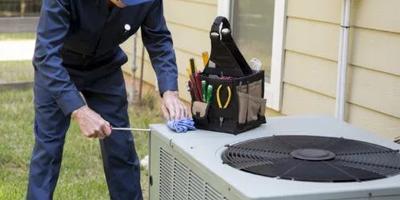
Beyond changing filters, keeping your AC system clean and running properly requires professional attention. Dust and debris can still sneak past the filter and collect on the evaporator coil or blower wheel, while outdoor coils may accumulate dirt and pollen, all of which restrict airflow and reduce performance.
During the air conditioner’s maintenance visit, a technician will clean internal components, check refrigerant levels, test electrical connections, and make sure your system is cycling correctly. This tune-up keeps your AC operating at peak efficiency and helps catch issues before they turn into costly repairs.
3. Clear the Area Around the Outdoor Unit
Your outdoor condensing unit needs unobstructed airflow to work efficiently. Nearby clutter or overgrown plants can reduce air circulation, causing your system to overheat or work harder than necessary.
Be sure to maintain at least 2 feet of space around the unit and clear 5 feet above it for proper heat dissipation. Also, remove weeds or vines that may grow into the unit’s casing and impact airflow.
4. Program Your Thermostat for Efficiency
Most modern thermostats include programmable settings that help you automatically adjust temperatures throughout the day. If your home is empty for hours during the day, there’s no need to keep it at your ideal comfort level the entire time.
The Department of Energy suggests raising your thermostat by 7 to 10 degrees during periods when no one’s home. Doing this for at least eight hours a day can reduce summer energy costs by up to 10%.
5. Use Ceiling Fans to Stay Cool
Ceiling fans won’t change the temperature, but they can help you feel cooler by circulating air more effectively. This allows you to raise your thermostat setting without sacrificing comfort—cutting down on how hard your AC needs to work.
The smaller the temperature difference between your home and the outdoors, the less energy your air conditioner will use.
6. Address Minor Issues Early
It’s easy to ignore subtle signs of trouble—like reduced airflow, unusual noises, or less-cool air—but these early warnings can point to bigger problems. Left unresolved, small issues often lead to reduced efficiency and major breakdowns.
Routine AC maintenance includes a full system inspection to detect and correct minor concerns before they escalate. Staying proactive helps keep your AC running smoothly and your energy bills in check.
7. Install an Energy Recovery Ventilator (ERV)
Ventilation is necessary for maintaining indoor air quality, but exchanging indoor air for outdoor air can lead to significant energy losses. An energy recovery ventilator helps reduce that loss by transferring heat between incoming and outgoing air.
As warm air enters your home, an ERV helps pre-cool it using the outgoing cooled air. This lessens the burden on your AC system and improves overall energy efficiency.
8. Know When It’s Time for a New System
An aging air conditioner—typically 10 to 15 years old—will gradually lose efficiency, even with consistent maintenance. Many homeowners wait until the system fails completely, but that often means months or years of higher energy bills and repair costs.
Instead, monitor your system’s age, energy use, and repair history. If your repair expenses are stacking up—or if a single repair is close to half the cost of a new unit—it may be time to consider a replacement of the air conditioner. Upgrading to a more efficient model can significantly lower your cooling costs and improve comfort.
Homeowners throughout Bountiful trust Blue Best Plumbing, Heating, Air, & Generators, a locally and women-owned and operated HVAC company, to keep their homes cool and comfortable. Our certified team provides expert AC maintenance, repair, installation, indoor air quality services, and more. Call today to book your summer AC tune-up with our award-winning professionals!