

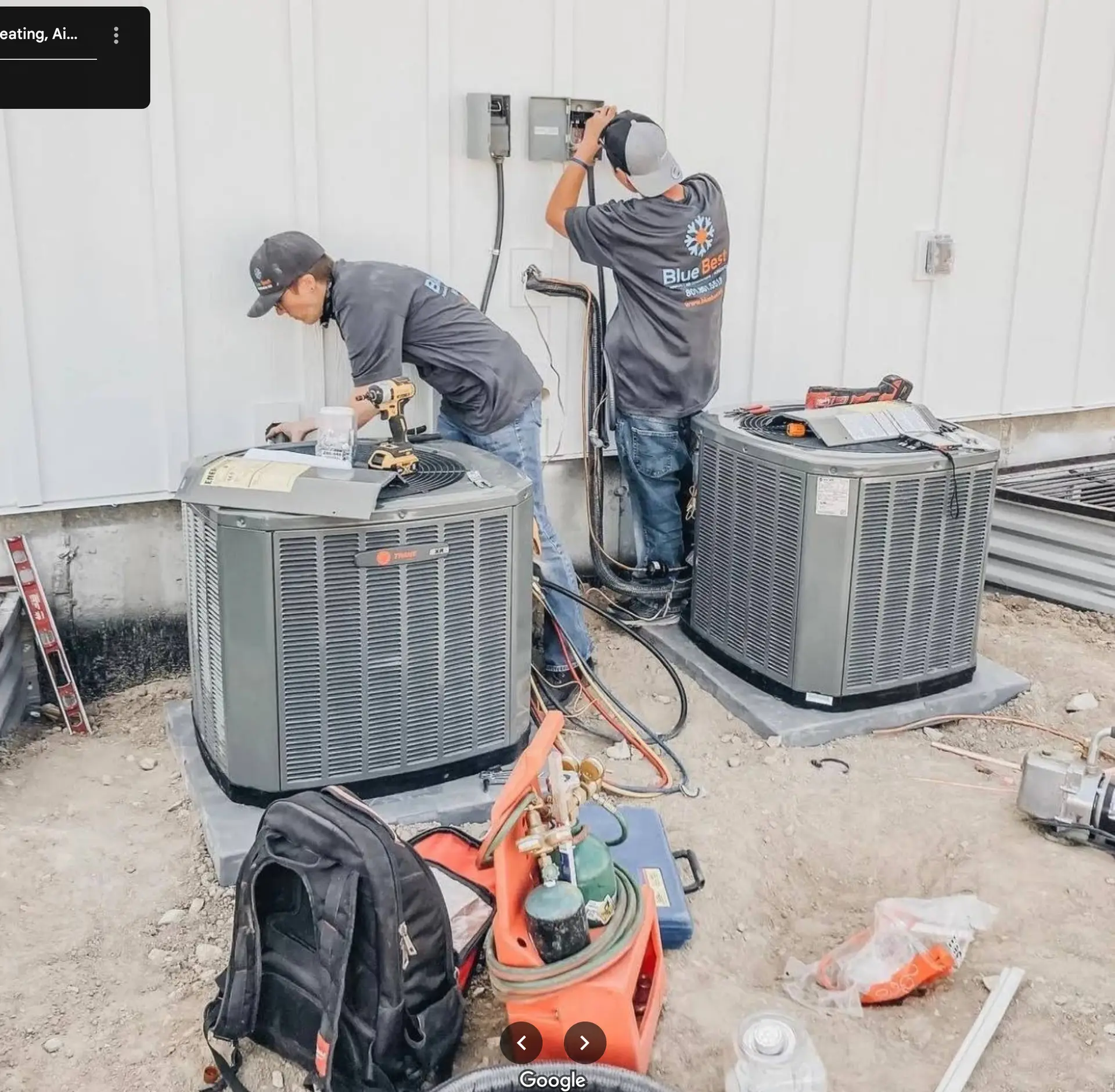

Water Leak Detection & Repair for Utah Homes
Serving the Wasatch Front and Beyond
Before we open a wall or dig into a slab, we locate the leak so we know exactly where to work. Active leaks get priority, and homes without water come first. Same-day is usually available, subject to scheduling. And you get a flat-rate price in writing before any work begins.
Tell Us About Your Water Leak
Quick answer
Yes, we find and repair water leaks across Utah, serving the Wasatch Front and beyond. We locate leaks before any demolition. We open only what we have to. You get a flat price in writing before work begins. After the repair, we check pressure and connections. Active leaks get priority, and so do homes without water.
How can you tell there is a hidden water leak?
A higher water bill
You notice your bill has jumped without a change in your habits. We check the reading against what you normally use.
A spinning meter
The meter dial moves even when every fixture is off. We confirm that no water should be flowing.
A warm floor spot
You feel a warm area on the floor, often near a wall. We check for a slab leak beneath the surface.
A damp wall or ceiling
You see a damp patch on a wall or ceiling. We check the area above or behind the finish.
Running water at night
You hear the sound of running water when everything is quiet. We listen for the source with our equipment.
Low pressure everywhere
Every tap in the house has low pressure at the same time. We check for a leak in the main supply line.
A musty smell
You notice a musty smell in a closet or under a sink. We check for moisture that has been trapped.
A self-refilling toilet
The toilet refills on its own when no one has used it. We check for a leak past the flapper or into the bowl.
A trickling faucet
A faucet only trickles, especially in a cold snap. We check for a frozen or burst supply line.
Why do water leaks happen along the Wasatch Front?
Household leaks waste nearly 1 trillion gallons of water nationwide each year. The EPA reports that 9 percent of homes waste 50 gallons or more daily. A faucet dripping once a second wastes more than 3,000 gallons a year. Utah's plumbing code requires a pressure-reducing valve when pressure is above 80 psi. The Red Cross notes that water expands as it freezes. On service calls, we see hard-water scale narrowing old pipes.
Finding a water leak
The EPA suggests checking the water meter. If no water is used for two hours and the meter changes, you have a leak. Dye or food coloring in the toilet tank will appear in the bowl after 10 minutes. A winter water bill above 12,000 gallons for a family of four is a sign of serious leaks.[1]
The pressure test
The code requires a completed system to be tested tight at working pressure or 50 psi of air. Any altered or repaired section must be retested.[2]
Frozen pipes
The Red Cross says pipes in unheated areas freeze most often. Basements, crawl spaces, attics, garages, and exterior walls are common spots. A trickle from a tap suggests a frozen pipe. Keep the faucet open while thawing, but use no open flame. The Plastics Pipe Institute notes that frozen PEX usually expands without cracking.[3]
Pressure
The code sets a static maximum of 80 psi and requires a pressure-reducing valve with strainer. The valve is designed to fail open. A water-hammer arrestor is required where quick-closing valves are used. On service calls, we find pinholes with high pressure often behind them.[4]
[1] EPA WaterSense - Fix a Leak Week, statistics and facts. [2] Utah Plumbing Code 2021, Chapter 3 - general regulations (pressure testing). [3] American Red Cross - preventing and thawing frozen pipes. [4] Utah Code Title 58, Chapter 55 - construction trades licensing. [5] Full source list: data-sources
We locate leaks before any demolition, opening only what we have to. You get a record of what we found, and we are candid about repairs not worth making. We also offer a free second opinion on any repipe quote.
When does a water leak need a spot repair, section replacement, or a repipe?
The right path depends on the leak's location, the pipe's condition, and what Utah's plumbing code requires.
Spot repair
- ✓Best for: A single, isolated leak in accessible pipe.
- ✓Stopping a leak needs no permit under Utah's plumbing code.
Section replacement
- ✓Best for: Repeated pinholes on one run of pipe.
- ✓Replacing concealed pipe requires a permit and inspection.
Whole-home repipe
- ✓Best for: Pipes are failing in multiple areas.
- ✓New piping must be tested tight under Utah's plumbing code; we offer a free second opinion on any repipe quote.
What you receive from a water leak service call
Pinpoint first
We locate the leak before any demolition begins, opening only what we have to.
Price upfront
You get a flat-rate price by the job in writing before work starts, with no clock running and no surprise change orders.
Record kept
After the repair, we provide a record of what we found and check pressure and connections.
Recognition & accreditation







Financing available on qualifying installations, subject to credit approval; ask when you call.
Locally and women-owned and operated meet the owners Google Business Profile.
What our service includes
Flat-rate pricing
You receive a flat-rate price in writing before any work begins, with no clock running.
Licensed crew
Our licensed plumbers are W-2 employees, not subcontractors, and we are a licensed Utah contractor.
Permit handling
We obtain permitted work where a permit is required by local code.
Floor protection
We lay floor protection and clean up after the job is complete.
Softening option
Where hard water is the cause, we offer softening to help prevent future issues.
Guarantee and review
Our workmanship guarantee backs every repair, and we give a free second opinion on any competitor's repipe or replacement quote.
What happens after you call?
Step 1
We respond.
We give priority to active leaks and homes without water.
Step 2
We schedule.
We confirm a 4-hour arrival window, and same-day usually available, subject to scheduling.
Step 3
We locate.
We check the meter and mark the leak before opening anything.
Step 4
We quote.
We provide a flat-rate price by the job, in writing, for your approval, and pull a permit where required.
Step 5
We repair.
We open only what we must, retest the repaired section per Utah's plumbing code, check pressure and connections, and leave a record of what we found.

What to do when water appears where it should not?
We give active leaks priority, and same-day is usually available, subject to scheduling. If you suspect a frozen pipe, keep a faucet open to relieve pressure. Shut the main valve to stop the flow. You'll receive the price in writing before any work begins.
What does a proper water leak repair give you?
Location before demolition
We find the leak before we open any wall.
Pressure tested tight
Utah's plumbing code requires the repaired section to hold working pressure or 50 psi of air. We check the pressure and connections after every repair.
Pressure regulated
A pressure-reducing valve is required by code when supply pressure exceeds 80 psi. The valve fails open. We install one where your pressure calls for it.
Water bill savings
The EPA says fixing leaks can save about 10 percent off a water bill.
Permitted work
Code requires a permit when leak repair on a concealed pipe involves replacing the pipe. We pull the permit where required.
Record and options
You get a record of what we found. We offer softening where scale is the cause. We also give a free second opinion on any repipe quote.
What kinds of water leaks do we find and fix?
Slab leaks
Metallic pipe must be protected from concrete contact. We find the leak, then open one spot to reach it.
Frozen or burst pipes
Frozen pipes often happen in exterior walls and unheated spaces. Keep the faucet open as the ice melts. We thaw the pipe, repair it, and insulate the run. Never use an open flame.
Pinholes in copper
Repeated pinholes on one run can signal a problem. Utah's plumbing code sets 80 psi as the maximum. We test the pressure and fix the section.
Running toilets
Worn flappers are a common cause. The EPA recommends replacing them at least every five years. Thousands of gallons a year can be lost silently. We replace the flapper or fill valve.
Water heater leaks
Leaks can come from valves, connections, thermal expansion, or the tank itself. The relief valve is required by code. We find which part is leaking and tell you if the tank is done.
Supply line leaks
A faucet dripping once a second wastes more than 3,000 gallons a year, according to the EPA. We replace the supply line or the fixture.
What determines the cost of water leak repair?
We charge a flat rate by the job, never by the clock. You'll receive a written price before any work begins. We locate the leak first, so we open only what we have to. The price drivers are published. Blue Best quotes an exact price in writing before any work begins.
The price depends on access, how much must be opened, the pipe material, and whether a permit is required. We also offer a free second opinion on any competitor's repipe or replacement quote.
Quoted upfront
Locating the leak - We locate the leak first, so we open only what we have to.
Quoted upfront
Fixture or supply-line repair - A straightforward fix for a visible leak at a sink or toilet.
Quoted upfront
Section of pipe replaced - Removing and replacing a damaged portion of your water line.
Quoted upfront
Slab leak opened and repaired - Accessing a pipe buried under concrete to stop the leak.
Quoted upfront
Pressure-reducing valve or expansion tank - Replacing a component that controls water pressure.
What does Blue Best guarantee in writing?
On new equipment installs
a 1-year labor warranty - extendable for customers on a Blue Best Maintenance Plan - the parts warranty (typically 10 years on qualifying Lennox and Amana equipment) registered for you, and no-lemon coverage on major components like compressors and heat exchangers.
On any quoted work
the price you sign is the price you pay - change orders require your approval before we do the work. Plus a free second opinion on any competitor's replacement quote (no blanket price-match - sometimes our honest answer is "take their deal").
What we won't promise
real-world comfort depends on duct condition, insulation, and infiltration, so we disclose those dependencies rather than guarantee a number. The 5.0 rating from 2,900+ reviews is the audit trail.
Water Leak Detection and Repair Questions
Start with the meter test: read your water meter, then use no water for two hours. If the reading changes, you have a leak. We also recommend the EPA's toilet dye test - drop dye in the tank and wait ten minutes. If color appears in the bowl, the flapper is leaking. We begin our own diagnosis the same way.
Utah's plumbing code requires metallic pipe to be protected from direct contact with concrete. When that protection fails, corrosion can create a leak under your foundation. We make one opening at the marked spot and give you a written price before any work begins.
Not usually. Under Utah's plumbing code, stopping a leak does not require a permit. However, replacing concealed pipe does require one. Ogden requires a permit to repair any plumbing system, and West Valley requires one for water heater install, replacement, or repair. We handle permits where required.
From our service calls, repeated pinhole leaks on one pipe run indicate a systemic issue. Utah's code limits pressure to 80 psi maximum. We pressure-test the line and discuss replacing the section or a full repipe. We offer a free second opinion on any repipe quote.
We locate the leak before any demolition. We provide a record of what we found. There is no clock running while we work. And we are candid about repairs that are not worth making.
The EPA reports that household leaks waste more than 9,300 gallons per year. Nine percent of homes waste 50 gallons or more daily. A faucet dripping once a second loses more than 3,000 gallons annually. We give active leaks priority, and we mark the leak's location before opening anything.
The Red Cross explains that water expands as it freezes, and pipes in exterior walls or unheated spaces are most at risk. Keep the faucet open to relieve pressure, but never use an open flame to thaw the pipe. We give active leaks priority and insulate the run after the repair.
Utah's plumbing code sets 80 psi as the maximum static pressure. A pressure-reducing valve with a strainer is required above that, and it must fail open. A water-hammer arrestor is required with quick-closing valves. We check pressure after every repair.
Yes. From our experience, leaks can come from valves, connections, thermal expansion, or the tank itself. The code requires a relief valve, but that does not control expansion. An expansion tank is needed where the system requires it. If the tank is done, we tell you.
Terms in Plain English
Meter test
A two-hour test where no water is used; any movement on the meter means a leak is present.
Pressure test
Pressurizing the repaired section and holding it to confirm the repair is tight.
Slab leak
A leak in a pipe that runs under the concrete floor of your home.
Pressure-reducing valve
A device required when water pressure is above 80 psi; it fails in the open position.
Water hammer
A bang in the pipes when a valve closes fast; an arrestor absorbs the shock.
Thermal expansion
Water expands as it heats; an expansion tank absorbs the extra volume.
Pinhole leak
A tiny hole in a copper pipe; high water pressure is often a factor.
Pressure test
A test where the system is held at working pressure or 50 psi of air to see if it stays tight.
What homeowners say

Elizabeth M
1 week ago

Our experience with Blue Best has been fantastic. Shawn, Carson and Khaing have done any amazing job with fixing our shower and pressure valve, patching the drywall, and installing both a water...
Aaron
2 weeks ago
I have been using these people for three years. Costumer service is outstanding and they were able to give me advice on my issue until they came out in a few weeks. Would recommend, but make sure to...
Marian Young
3 weeks ago
We used Blue Best for many projects in our home (faucet replacement, HVAC, installing manifold, replace steam system, etc). Shawn was knowladgable, courteous, explained everything and cleaned up the...
Jeffery Hansen
1 month ago
Just had Roger Pay, our technician complete sumner service on our new (Heat Pump System). He was courteous and thorough but most important, professional. We had BLUE BEST put in a new heat pump in...
