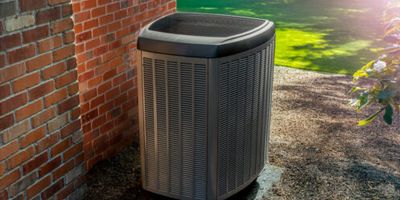


Why Replace a Heat Pump?
Heat pumps are known for their efficiency and dual-function capabilities, making them a popular choice for homeowners. However, when performance starts to decline—whether due to aging parts, weather-related damage, poor maintenance, or simply reaching the end of its service life—it may be time to upgrade.
If you're unsure whether it's time for a replacement, a licensed HVAC technician can help you evaluate your options. Choosing the right replacement system is crucial for maximizing comfort and efficiency. From various models of heat pumps to alternative technologies, understanding your choices ensures you make the best decision for your home.
Geothermal Heating and Cooling
Geothermal systems offer an eco-friendly alternative to traditional heat pumps by tapping into the earth’s consistent underground temperatures. These systems use a series of underground pipes, known as a ground loop, to exchange heat with the earth and regulate indoor temperatures efficiently. While the upfront cost of installing a ground loop can be high, the long-term energy savings make geothermal systems a smart investment for many homeowners.
Solar Water Heaters
Solar water heaters use energy from the sun to heat water for everyday use—such as bathing, washing clothes, and doing dishes—without relying on conventional electricity or gas. Though the initial installation can be costly, these systems can significantly reduce utility bills and may qualify for tax incentives and rebates, helping offset the upfront expense.
Mini-Splits
Mini-split systems, also known as ductless HVAC units, allow you to control the temperature in individual rooms or zones, helping to cut down on energy waste. These systems are highly efficient and particularly beneficial for homes without ductwork or for adding climate control to new additions. Keep in mind, however, that installation costs can be higher than traditional systems.
Radiant Floor Heating
Radiant floor heating involves a system of water-filled pipes installed beneath your floors. As hot water circulates, it gently warms the room from the ground up, providing consistent and energy-efficient comfort. These systems have a long lifespan—up to 25 years—but their installation can be labor-intensive and costly, especially in existing homes.
District Heating and Cooling
District heating and cooling systems supply energy to multiple buildings from a centralized location. While typically used in large residential complexes or commercial properties, this option can be an efficient alternative where available. The initial setup and maintenance costs can be high, so it's best suited for property owners looking to serve multiple units with one system.
Propane Heating System
Propane heating systems are a practical replacement for electric heat pumps, offering higher efficiency and lower maintenance needs. They’re often more affordable to install compared to some alternatives and provide reliable performance. However, they require on-site fuel storage, which may not be ideal in all locations, especially those with severe winters.
Electric Furnaces
Electric furnaces are powered entirely by electricity and offer a lower upfront cost and minimal maintenance. They’re simple to install and operate, making them a convenient choice for many homeowners. That said, they can be less efficient in colder climates where they must work harder, increasing energy consumption.
Heat Recovery Ventilators
Heat recovery ventilators (HRVs) work by transferring heat from outgoing stale air to incoming fresh air, improving indoor air quality while conserving energy. This process helps maintain a comfortable indoor temperature with less energy waste. While HRVs can reduce heating and cooling costs, they do require a financial investment for installation and periodic maintenance.
Overall, while heat pumps have long been a favorite for energy-conscious homeowners, there’s no shortage of alternatives worth considering. From geothermal and solar options to modern ventilation systems, each offers its own set of benefits. Just be sure to weigh installation and maintenance costs to find the solution that fits your needs and budget.
Hybrid Heat Pumps
Hybrid heat pumps combine electric and gas technology to deliver efficient year-round comfort. These systems primarily use electricity but switch to gas heat when outdoor temperatures dip, ensuring effective heating in colder weather. Although hybrid systems are among the most energy-efficient options available, they come with higher installation and maintenance requirements. Regular inspections are essential to ensure both electric and gas components operate safely and effectively, making them an ideal choice for colder regions needing consistent heating.
Which One Should You Choose?
With so many alternatives on the market, finding the right replacement for your current heat pump can feel overwhelming. Each system performs best under certain conditions and climates. For instance, electric heat pumps work well in moderate temperatures and offer a budget-friendly option. Ultimately, the best course of action is to consult a trusted HVAC expert who can help determine which solution fits your home, climate, and long-term energy goals.
Call Us Today
At Blue Best Plumbing, Heating, Air, & Generators, we specialize in all things heat pump-related. As a trusted local HVAC provider, we proudly serve both residential and commercial clients with top-notch heating and cooling solutions. Our licensed technicians work with a wide range of HVAC brands and models.
Whether you're interested in upgrading your system or exploring alternative heating options, we’re here to help. Contact Blue Best Plumbing, Heating, Air, & Generators today to learn more about our services in Bountiful and the surrounding communities.