
Knowing which tasks are safe to handle and when to call in the pros can help you protect your investment.
Things Homeowners Can Do Safely
Although full system servicing should be left to professionals, there are simple steps homeowners can take to support HVAC performance:
- Change air filters every 1–3 months (more often if you have pets or allergy sufferers at home).
- Keep vents and registers clean and clear of furniture or other obstructions.
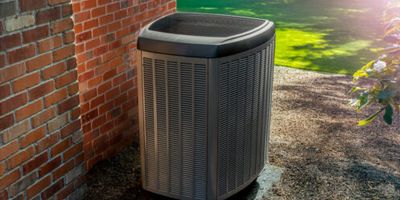
- Clear debris from around your outdoor condenser unit to promote airflow.
- Monitor energy bills for unexplained increases, which may signal system inefficiencies.
These small habits can help prevent minor issues from turning into major ones.
DIY HVAC Maintenance Carries Certain Risks
HVAC systems are complex and include electrical components, refrigerant lines, motors, and ductwork. Without proper training or tools, attempting DIY maintenance could lead to unintended damage or even personal injury. Here’s why most in-depth tasks are better left to the pros:
1. Safety Concerns
HVAC equipment involves high-voltage wiring, moving mechanical parts, and, in some cases, flammable gases. Attempting repairs or inspections without experience can put you at risk for electric shock, gas leaks, or fire hazards. Technicians are trained to handle these risks safely.
2. Risk of System Damage
Cleaning coils incorrectly, tampering with refrigerant, or misdiagnosing an issue can lead to serious equipment damage. Even well-intentioned maintenance could result in compressor failure or bent components. AC tune-up professionals know how to service equipment without compromising performance or longevity.
3. Voiding Manufacturer Warranties
Most HVAC systems come with warranties that require professional servicing to remain valid. Performing unauthorized work on your unit can void coverage—meaning you could be stuck paying for major repairs or replacements out of pocket.
4. Limited Effectiveness of DIY Maintenance
While filter changes and vent cleaning are helpful, they don’t replace the comprehensive inspections and diagnostics offered by certified technicians. Many underlying issues are invisible to homeowners and require specialized tools to detect.
Why Professional HVAC Maintenance Is Important
Having your system serviced by a qualified technician ensures nothing is missed. Professionals come equipped with advanced tools and expertise to provide a full-service maintenance routine. Here’s what they deliver:
1. Detailed System Inspections
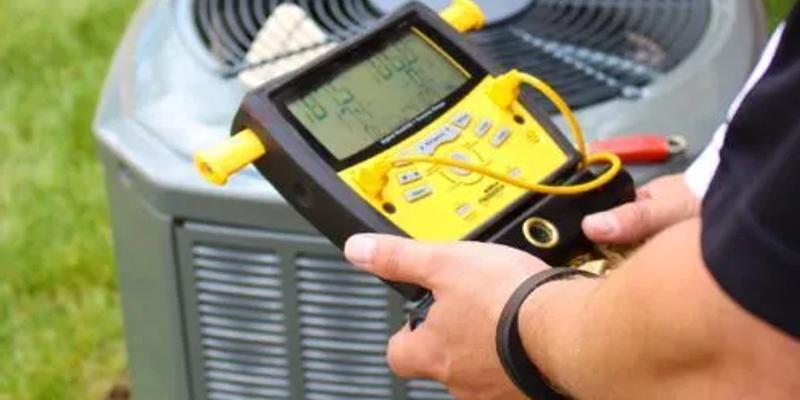
HVAC technicians perform full system checks—evaluating refrigerant levels, airflow, electrical components, and system calibration. These assessments help identify small issues before they escalate into major repairs.
2. Proper Refrigerant Handling
Refrigerants are regulated substances that require EPA certification to handle. Recharging refrigerant or fixing leaks is not only illegal for unlicensed individuals but also dangerous. HVAC techs have the credentials and tools to handle refrigerants safely and efficiently.
3. Accurate Diagnostics and Fixes
Professionals can detect faulty wiring, worn parts, or calibration issues quickly and accurately. Homeowners may not even notice symptoms until performance drops, but trained eyes can catch the warning signs early.
4. Ductwork Maintenance and Better IAQ
Duct issues such as mold, blockages, or leaks reduce air quality and energy efficiency. Technicians can clean, seal, or repair ducts to ensure optimal airflow and eliminate potential indoor air hazards.
5. Long-Term Savings
Professional maintenance might seem like an added expense, but it helps extend system lifespan, reduce monthly utility costs, and avoid expensive emergency repairs. Well-maintained systems use less energy, helping you get more from your HVAC investment over time.
HVAC Maintenance Tasks That Technicians Handle
HVAC professionals perform services that go well beyond routine filter changes. Here are some of the key tasks included in a professional maintenance visit:
1. Maintaining and Repairing Electrical Components
Relays, capacitors, and control boards are critical to system function—but complex and dangerous to service without training. Technicians inspect and test these components to ensure safe and reliable operation.
2. Condenser and Evaporator Coil Cleaning
Dirty coils can restrict airflow and reduce cooling performance. Professionals use specialized solutions and tools to clean coils thoroughly without damaging sensitive parts or reducing efficiency.
3. Thermostat Testing and Calibration
A miscalibrated thermostat can throw off your entire system. Technicians test and calibrate thermostats to ensure accurate readings, proper wiring, and overall functionality.
4. Condensate Drain Line Maintenance
Drain lines remove moisture from your HVAC system—but they can become clogged with mold, algae, or debris. Technicians clean these lines, inspect the drain pan for damage, and apply treatments to prevent future buildup.
5. Lubrication of Moving Parts
Fans, motors, and bearings need regular lubrication to reduce friction and wear. HVAC technicians identify which components need attention and apply manufacturer-approved lubricants to keep them running smoothly.
6. Testing for Gas Leaks and Carbon Monoxide
Gas-powered systems require regular safety inspections. Technicians test for carbon monoxide, inspect heat exchangers, and ensure that venting systems are intact—protecting your household from hidden health risks.
Critical for Your Comfort
HVAC maintenance is essential to maintaining a safe, efficient, and reliable indoor environment—but most of the work should be done by experienced professionals. Trying to tackle advanced servicing yourself could result in damaged components, lost warranty coverage, or safety issues.
At Blue Best Plumbing, Heating, Air, & Generators, we make HVAC maintenance easy with our affordable HVAC Maintenance Plan for homes in Salt Lake City, Bountiful, and throughout the Greater Salt Lake Area. Our technicians are trained to keep your system in peak condition while helping you save on future repairs.
Contact us today to schedule your service or learn more about how regular maintenance can protect your home comfort.