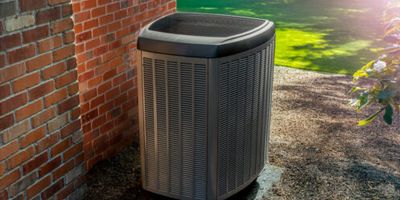

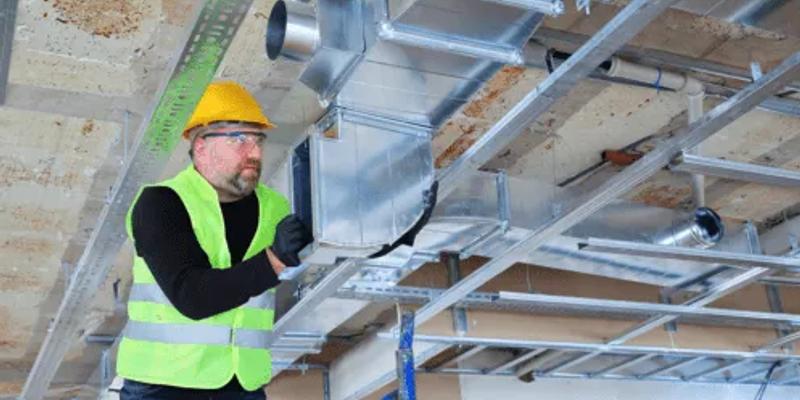
Your home’s ductwork doesn’t just affect energy efficiency—it also impacts your health. Air leaks waste conditioned air, driving up energy costs. Unsealed or poorly insulated ducts create hot and cold spots, and dirty ductwork can worsen allergy or asthma symptoms. In addition to professional duct cleaning and routine inspections, follow these 11 tips to help keep your duct system working at its best.
1. Add Insulation to Improve Efficiency
Duct insulation helps minimize heat loss and maintain even temperatures, especially in areas like attics and crawlspaces. If you notice fluctuating temperatures or high energy bills, adding insulation to exposed ducts can boost system performance and help your HVAC unit operate more efficiently.
2. Use High-Efficiency Air Filters
Upgrading to a pleated filter with a higher MERV rating—preferably 11 or above—improves air quality and reduces dust buildup inside your ducts. HEPA filters (rated MERV 17+) trap even finer particles but may restrict airflow in residential systems. Instead, consider a dedicated air purification unit for HEPA-level filtration. No matter the filter type, change or clean it regularly to prevent airflow restrictions that can strain your HVAC system.
3. Install Dampers for Zone Control
Dampers allow you to control airflow in different parts of the home by adjusting duct access manually or remotely. By closing off unused areas, you can direct heating and cooling where it’s needed most. This adds efficiency and custom comfort, especially in larger homes.
4. Schedule Duct Testing
HVAC professionals often perform blower door tests to measure duct leakage and system efficiency. These tests use pressure sensors and fans to detect air leaks, helping identify where sealing is needed. Duct testing should be done at installation, after major renovations, or every 5–10 years to ensure optimal airflow.
5. Repair or Replace Damaged Ducts
Cracked, disconnected, or crushed duct sections can reduce system performance and allow energy loss. HVAC technicians can locate problem areas using tools like thermal imaging or airflow diagnostics. Repairs may include sealing with mastic or foil tape, wrapping with insulation, or replacing entire duct sections as needed.
6. Add or Redirect Vents
To balance airflow and eliminate uneven temperatures, consider relocating or adding supply and return vents. This is especially helpful in areas like upper floors, basements, bedrooms, or home offices that may not receive consistent airflow from the existing layout.
7. Upgrade to a Zoning System
A zoned HVAC system allows you to control temperatures in individual areas of your home, improving comfort while reducing energy waste. Zoning also minimizes duct stress by optimizing airflow where it's needed most, extending the lifespan of your system and lowering maintenance costs.
8. Invest in High-Efficiency HVAC Equipment
Modern HVAC systems with variable-speed motors or smart thermostats offer better airflow control, reduce energy use, and lower the demand on ductwork. These upgrades can also reduce pressure imbalances and improve temperature regulation throughout your home.
9. Install Additional Return Air Vents
Return vents help maintain air circulation and consistent system pressure by pulling air back into the HVAC unit. Placing return vents strategically—in hallways, bedrooms, or main living spaces—can enhance system performance and prevent overworked ducts.
10. Choose Aerodynamic Duct Designs
When replacing or upgrading ductwork, use an aerodynamic design that minimizes airflow resistance. Properly designed ducts reduce pressure drops and turbulence, allowing for smoother airflow and better distribution of heated or cooled air across your home.
11. Address Pest Issues Immediately
Rodents, insects, and birds can enter ductwork, damaging insulation and introducing contaminants. Signs of infestation should be dealt with right away—either through HVAC service or professional pest control—to protect your duct system and your home’s air quality.
Your ductwork is just one piece of the comfort puzzle. At Blue Best Plumbing, Heating, Air, & Generators, we offer complete HVAC solutions—from system installations and ductless mini-splits to indoor air quality services, plumbing repairs, and maintenance plans. If you’re noticing uneven temperatures, rising energy bills, or poor air quality, we’re here to help.
Call Blue Best Plumbing, Heating, Air, & Generators today to schedule duct inspection or duct cleaning services in Bountiful or the surrounding areas.