
Rising Monthly Energy Bills
Keep a close eye on your monthly utility bills. If energy usage continues to climb without any major lifestyle changes, it could point to air loss within your ductwork. Leaks force your HVAC system to run longer to maintain your desired temperature, which increases operating costs and wears out your equipment prematurely. This added strain can lead to more frequent repairs or even early system replacement.
Experiencing Inconsistent Interior Temperatures
Are some rooms hotter or colder than others? Uneven temperatures throughout your home often signal leaky or poorly installed ducts. Air may be escaping before it reaches certain areas, reducing your system’s ability to regulate comfort. Improper duct sizing or layout can also contribute to inefficient airflow, requiring professional evaluation.
Bad Smells Coming From Vents
Unpleasant odors coming from your vents—especially musty or moldy smells—can indicate moisture buildup inside damaged ductwork. These conditions are ideal for mold and mildew growth. Open gaps in the duct system can also let in pests, which may leave behind waste that contributes to the odor and overall contamination.
If mold is detected in multiple areas, duct replacement may be necessary to eliminate the risk to your health. Mold exposure can lead to symptoms like allergies, fatigue, headaches, and respiratory problems. While duct cleaning can help in many cases, replacing severely contaminated ducting ensures a safer, cleaner indoor environment. Maintaining indoor humidity between 35% and 50% also helps control mold risk.
Dirty Surfaces in the Home
If dust quickly returns after cleaning, your duct system could be circulating particles and allergens throughout your home. Replacing old or leaky ducts with new, sealed materials can prevent contaminants from entering the airflow and significantly improve your indoor air quality.
Visible Corrosion, Rust, or Damage
Inspect any accessible ductwork for signs of wear, such as rust, dents, or corrosion. Our team uses specialized cameras to examine harder-to-reach sections inside the duct system. If the damage is minor and isolated, we may only need to replace a small section. But widespread deterioration often calls for full replacement to restore performance and air quality.
Loud Noises During HVAC Operation
While it’s normal to hear your HVAC system kick on, unusual noises like rattling, banging, or whistling can indicate issues with the ductwork. Whistling typically points to small holes or cracks, while rattling might suggest sections of ducting are loose or shifting.
Minor damage can often be resolved with duct sealing. We use durable sealants—such as silicone, polyurethane, or oil-based compounds—to close up leaks and reinforce your system. We’ll recommend the best sealing product based on your home’s needs.
Considering Poor HVAC Performance
If your home constantly feels uncomfortable despite running the heat or AC, the problem might lie in the ducts—not the HVAC unit itself. Replacing aging or poorly routed ducts can dramatically improve airflow, reduce system strain, and enhance comfort. We’ll also ensure that duct placement and sizing are optimized for your home’s layout.
Thinking About Ductwork Insulation
Adding insulation to your ductwork is another smart way to boost performance. Insulated ducts retain conditioned air better, which helps maintain even temperatures throughout your home—especially in larger spaces or in areas located far from your HVAC system.
Improved insulation can lower your monthly energy bills and may even qualify you for rebates or tax incentives, depending on your local energy programs.
The Process of Replacing Ductwork
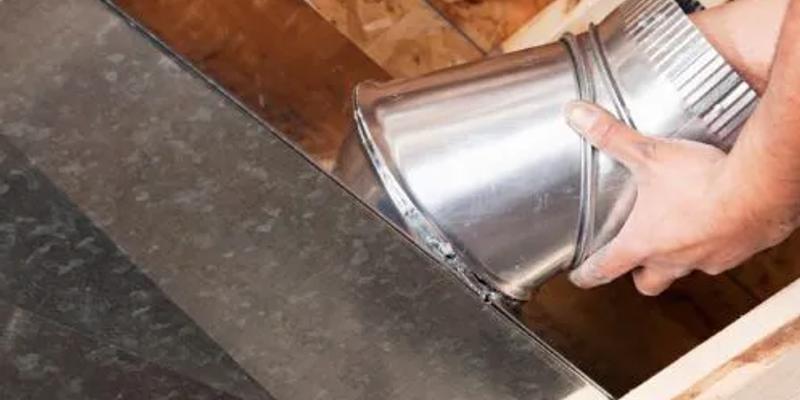
Duct replacement begins with a full assessment of your current system. If we determine that new ductwork is needed, we’ll design an efficient layout that minimizes bends and maximizes airflow. After safely removing the old ducts and detaching them from your HVAC equipment, we’ll begin installing your new system.
Proper installation is critical. We ensure ducts are leveled, supported, and sealed at all joints to prevent air leaks. Once installed, we’ll run a full system test—measuring airflow in various rooms to confirm even temperature distribution and reliable performance.
When Is It Ok to Avoid Ductwork Replacement?
Duct replacement can be a significant investment and may involve accessing hidden duct sections in walls or ceilings. In cases where damage is minimal or contained, we may be able to repair or replace only a portion of your ducting.
Duct cleaning, sealing, or insulation upgrades may also be sufficient to restore comfort and efficiency—especially if you’re not experiencing substantial air loss or performance issues. We’ll walk you through your options based on a thorough inspection.
Call the Experts for Trusted Ductwork Support
At Blue Best Plumbing, Heating, Air, & Generators, we provide comprehensive duct inspections and solutions for homes in Bountiful. Whether you need a cleaning, sealing, or a full ductwork replacement, we’ll help you improve air quality and system performance.
Contact us today to schedule your inspection or to learn more about how duct upgrades can benefit your home.