

How Heat Pumps Work
Heat pumps are different from traditional heating systems. They use electricity—but not to generate heat like electric furnaces. Instead, electricity powers components like the compressor and fans. Similar to air conditioners, heat pumps use a refrigeration cycle, but with added features that allow them to work in reverse.
This means that during the winter, a heat pump extracts heat from the outdoor air and brings it inside. While it may seem counterintuitive, there’s still heat in the air—even in colder months. In optimal conditions, some air-source heat pumps operate at up to 400% efficiency. However, their performance can drop as the temperature decreases since there’s less ambient heat available to extract.
Maximizing Heat Pump Efficiency in the Winter
Now that you understand how heat pumps function, here are a few key strategies to help improve your system’s winter efficiency:
1. Clear Snow and Debris Around the Outdoor Unit
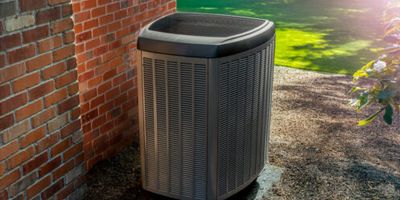
Bountiful gets nearly 60 inches of snow each year, which can interfere with your heat pump’s ability to operate. When snow builds up around the outdoor unit, it restricts airflow—making it harder to extract heat. After every snowfall, inspect the unit. Keep at least two feet of space cleared around it, and gently brush off any snow accumulation from the top and sides.
2. Maintain a Steady Thermostat Setting
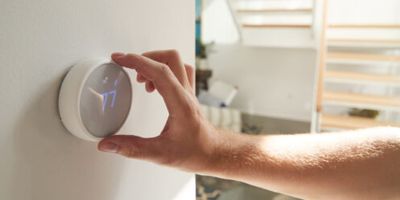
To avoid unnecessary energy use, resist the urge to adjust your thermostat frequently. Choose a comfortable temperature and stick with it. Unlike gas furnaces that blow hot air between 130–140°F, heat pumps deliver air at 90–110°F. While that feels cooler to the touch, it’s still warm enough to heat your home effectively. Constant adjustments won’t increase output temperature—they’ll just force your system to run longer.
Also, avoid turning the system off and on throughout the day. Heat pumps are designed for consistent performance—not sudden temperature changes. Let the system manage the temperature for optimal results.
3. Limit Supplemental Heating Mode
When your heat pump can’t keep up with demand, it may switch to auxiliary or supplemental heat—typically using electric resistance strips. This mode consumes significantly more electricity and should be used as little as possible. If your system enters this mode frequently, it could be undersized. An HVAC technician can evaluate your system size and recommend alternatives, such as upgrading to a cold-climate model, which performs better in extreme temperatures.
4. Replace or Clean Air Filters Regularly
Proper airflow is critical for heat pump efficiency. Before winter arrives, replace the system’s filter. If you have a ductless mini-split, remove and wash the reusable filters in each indoor unit. Clean filters ensure better airflow, improved indoor air quality, and more efficient system operation.
5. Avoid Using Auto Mode
Your heat pump likely has three settings—heat, cool, and auto. Although auto mode may seem convenient, it can work against you during winter. For example, indoor heat from cooking could cause the system to switch to cooling temporarily, which leads to wasted energy. Instead, manually set your unit to “heat” during cold weather.
Keep in mind that the fan also has an auto setting, which allows it to turn on and off with the system. This is the recommended fan setting for energy efficiency.
6. Don’t Close Supply Vents
While it may seem logical to close vents in unused rooms to save energy, doing so can increase air pressure in your ductwork. This pressure forces your heat pump to work harder and may lead to air leaks. Keep all vents open to maintain balanced airflow and reduce system strain.
7. Schedule Pre-Season Maintenance
Routine maintenance is one of the best ways to ensure your heat pump stays efficient throughout the winter. Ideally, your unit should be inspected twice a year—before both heating and cooling seasons. A professional tune-up includes cleaning internal parts, checking refrigerant levels, inspecting for wear, and making necessary adjustments. Preventive maintenance can help catch small issues before they turn into major problems.
The Local Heat Pump Leader
With a team that has over 20 years of expertise, Blue Best Plumbing, Heating, Air, & Generators is your trusted source for heat pump service in Bountiful. Our locally and women-owned and operated business prides itself on offering exceptional heating service and workmanship. we deliver top-tier installation, repair, and maintenance for both standard and ductless heat pumps. We proudly install systems from top brands like Lennox and Amana and offer flexible financing on approved credit.
We also provide comprehensive plumbing services—so whether you need help with heating, cooling, or pipes, we’ve got you covered. Call Blue Best Plumbing, Heating, Air, & Generators today to schedule expert heat pump installation and stay efficient this winter.