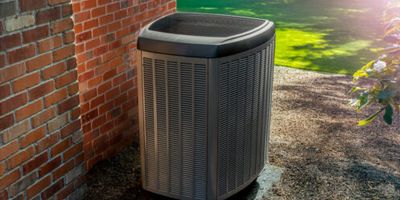


Heat Pump
A heat pump is an electric system that transfers heat instead of generating it. It operates similarly to an air conditioner but in reverse, pulling warmth from outside air and bringing it indoors. This process relies on refrigerant, which absorbs heat outdoors and then releases it inside your home. Most homeowners use air-source heat pumps, though there are also ground-source and water-source geothermal options available.
How Does It Work?
Heat pumps rely on a compressor to circulate refrigerant through coils. Heat naturally flows from warmer to cooler areas. In cooling mode, the refrigerant absorbs heat from inside your home, carries it outside, and returns indoors cooled. In heating mode, the process flips: refrigerant collects heat from the colder outdoor air and releases it inside. This transfer takes advantage of natural temperature differences to efficiently heat and cool your living space year-round.
Pros of Heat Pumps
- Energy efficiency: Since they move heat instead of creating it, heat pumps use less energy than combustion-based systems.
- Lower emissions: With no fuel burning, they’re safer to run and don’t release harmful byproducts.
- Less upkeep: With fewer moving parts than a furnace, they typically need less maintenance.
- Eco-friendly: Their efficiency helps cut down on fossil fuel usage, reducing your carbon footprint.
Cons of Heat Pumps
- Upfront cost: Installation and equipment costs are typically higher than a standard furnace.
- Cold-weather limitations: In very low outdoor temperatures, a heat pump may struggle to keep up without backup heating, which can drive up electricity bills during harsh winters.
Furnace
A furnace is a traditional heating system found in many homes and businesses. It works by pulling in air, heating it with fuel or electricity, and distributing the warmed air throughout the home via ducts.
How Does a Furnace Work?
Inside a furnace, the burner ignites fuel—commonly natural gas—while the heat exchanger absorbs and transfers that heat. The blower fan then pushes the warmed air through ducts and vents into your home. This design provides a steady supply of heated air as long as the furnace has fuel or electricity available.
Types of Furnaces
Gas Furnace
Gas furnaces remain the most common option, running on natural gas or propane. They’re cost-effective, durable, and efficient, though they require regular maintenance for peak performance.
Oil Furnace
Oil furnaces burn heating oil and often produce hotter air than gas systems, making them popular in colder regions. They can also last longer than some other furnace types. However, they demand more frequent servicing and storage space for fuel.
Electric Furnace
Electric furnaces are typically less expensive to buy and install and are lightweight for easier placement. However, they are less efficient than gas or oil models and tend to be more expensive to run, especially in colder climates where they may not provide enough heat during freezing conditions.
Which Option Is Best For Your Home?
Choosing between a heat pump and a furnace depends on your climate, budget, and long-term goals. In areas with harsh winters, a furnace may be the better option since it generates heat regardless of outdoor temperatures and usually costs less to operate during prolonged cold.
If you live in a milder climate or want a system that can both heat and cool while saving energy over time, a heat pump could be the smarter investment. The right choice comes down to evaluating your household’s needs, operating costs, and comfort preferences.
Get in Touch With Professionals Today!
At Blue Best Plumbing, Heating, Air, & Generators, we’re committed to delivering dependable heating and cooling solutions in Bountiful, UT. From furnace installation to heat pump maintenance, our team provides expert service and affordable options tailored to your home. We also offer indoor air quality solutions and HVAC maintenance plans to keep your system running smoothly year-round. Contact Blue Best Plumbing, Heating, Air, & Generators today to schedule your service appointment and experience quality care from start to finish.