
If your home doesn’t already have ductwork, the process may stretch out to a week or longer. Delays may also occur if contractors need to finish other work beforehand. Below, we’ll go over the main factors that determine how long your heating system installation will take.
Types of Heating Systems and Why It Matters
The kind of heating system you choose has a big impact on how long installation will take. For instance, a forced-air system usually installs faster than a radiant floor heating system.
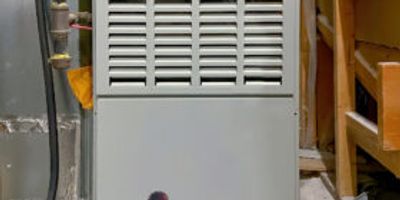
Forced-air systems, which distribute heat through ducts and vents, are among the most common and generally easier to install—especially if ductwork is already in place. Depending on your setup, the installation could take anywhere from 4 hours to three days.
Radiant heating systems, which warm spaces through heated floors or wall panels, require more preparation. Installing tubing or electric mats can be time-consuming, and projects often take three to seven days to complete.
Heat pumps and boilers are also widely used. A heat pump installation typically ranges from 4 hours to a few days, while boilers follow a similar timeline depending on system complexity. Both are efficient options, with the added benefit of providing heating and cooling.
Factors That Affect Installation Time
Several other considerations influence installation time beyond the system type. Home size is a major factor—larger homes usually require more equipment and longer installation. For example, adding extensive ductwork or multiple radiators will take longer than setting up a smaller system.
Another key factor is whether the project involves replacing an old system or starting from scratch. Replacements often take longer since the existing system must be removed first, which could add an hour or several hours depending on its size and complexity.
For new installations in homes without any heating system, the process may take several extra days. This often includes planning, installing ductwork, or adding electrical components that weren’t previously in place.
Preparing Your Home for Installation
Before technicians can begin, your home may need some preparation. This step can take a few hours depending on the project. For example, if ducts or pipes are required, you’ll need to clear work areas by moving furniture, covering valuables, or even removing flooring for radiant installations.
If you’re adding a gas-powered system, proper gas lines and ventilation must be in place. In some cases, this means checking for leaks or upgrading lines and electrical systems to meet requirements, which can extend the timeline.
The Actual Installation Process
Once prep work is finished, the installation itself begins. For forced-air systems, the team typically installs the furnace first, followed by ducts and vents. Depending on home size, this process usually takes one to three days, but if ductwork already exists, it may be done in half a day. Afterward, the system is connected to your thermostat and tested for proper function.
Radiant floor heating generally takes longer. The process starts with insulating the floors, followed by installing tubing or mats, and finally connecting everything to your power or boiler system. Depending on complexity, installation can run anywhere from three to ten days.
After the Installation: Testing and Adjustments
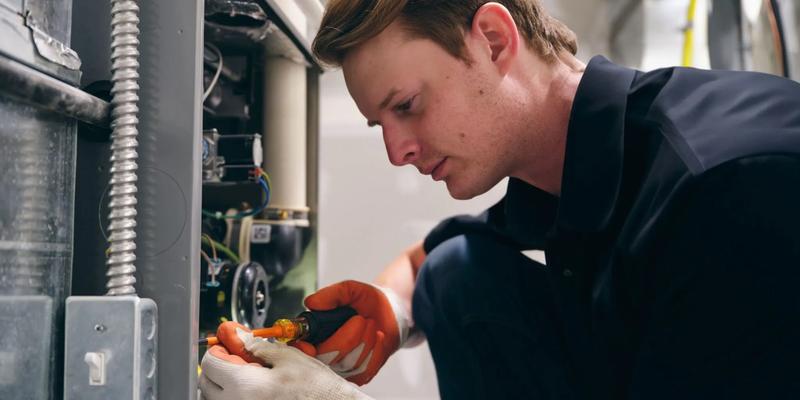
Once installation is complete, your new system will go through a testing phase. Technicians will confirm all connections, verify that the furnace, heat pump, or radiant system is working, and make adjustments as needed.
This step usually takes one to two hours but is essential to ensure proper airflow, thermostat calibration, and overall efficiency.
Maintenance and Ongoing Care
After your system is running, regular maintenance is key to keeping it reliable. Even though installation is a short-term project, long-term care makes all the difference. This typically involves having a technician inspect the heating system once a year, cleaning the filters, and checking for any potential issues.
Today’s furnaces, boilers, heat pumps, and radiant heating systems are designed for efficiency and durability, but yearly service still helps identify small issues before they become major problems.
Contact Us Today
Blue Best Plumbing, Heating, Air, & Generators is a locally and women-owned and operated HVAC company in Bountiful. We also offer other heating services like repairs and maintenance for furnaces and other types of heating systems.
In addition to heating, we handle air conditioning, ductless mini-splits, and heat pump systems. Our licensed plumbers can also assist with pipe repair, tank and tankless water heaters, water softeners, and toilet installation and repair.
If you’re ready to upgrade your home’s heating system in Bountiful, reach out to Blue Best Plumbing, Heating, Air, & Generators today.