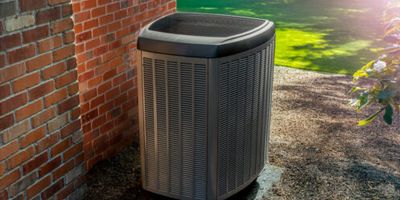


What Do We Mean by “Air Conditioner”?
When most people say "air conditioner," they're usually talking about the outdoor unit that sits next to the house. In HVAC terms, this is called the condensing unit, though you may also hear it referred to as the AC, compressor, or cooling unit. For clarity, we’ll stick with “air conditioner” in this article.
How to Determine the Age of Your AC Unit
Finding the age of your air conditioner is easier than you might think. First, head outside to your unit. You’ll want to identify the brand name, such as Goodman, Lennox, or Daikin—some of the more well-known manufacturers.
Next, look for a manufacturer’s label, usually located near the bottom of the unit where the copper refrigerant lines connect to the system. This label includes key information, such as the model and serial number.
The serial number, often labeled as “Serial,” “Serial No.,” or “S/N,” is typically 10 to 14 characters long and contains both letters and numbers. In most cases, the first four digits indicate the manufacturing date. For example, in the serial number 5914L30221, the “14” means the unit was built in 2014.
If your serial number doesn’t follow this format, you can check the manufacturer's website for decoding instructions or call Blue Best—our team will gladly help you figure it out.
Why Refrigerant Type Also Matters
In addition to knowing the age of your unit, it’s just as important to identify the type of refrigerant it uses. That same sticker on the condensing unit will list the refrigerant type, often in small print.
The two most common refrigerants in use today are:
- R22 (Freon) – An older, oil-based refrigerant that’s been phased out by the EPA. It became increasingly limited after 2013 and was officially discontinued in 2020.
- R410A (Puron) – A more modern, environmentally friendly refrigerant that uses a synthetic oil base.
These two refrigerants are not compatible with each other. Attempting to mix them would be like mixing oil and water—not recommended and potentially damaging to your system. If your unit uses R22 and needs a recharge, it could be costly due to limited availability. In that case, replacing the system with one that uses R410A may be a better long-term investment.
Understanding Serial Number Formats
While most manufacturers use a numeric code where the first few digits indicate the year and week of manufacture, some—like York—use letter-based codes. For example, a York unit might have a serial number starting with four letters that reveal:
- The plant where it was made
- The month of manufacture
- The year of manufacture
- The type of unit
For these types of systems, a quick online search for the brand-specific serial number guide will help you pinpoint the manufacturing date.
How Long Should an AC Last?
Most central air conditioners have a lifespan of 10 to 16 years, depending on brand, usage, and maintenance. Knowing your unit’s age gives you a clearer idea of how much longer it may last—and helps you plan ahead.
Still unsure about your AC’s age or refrigerant type? The experts at Blue Best Plumbing, Heating, Air, & Generators are here to help. Give us a call for a quick, professional assessment.