
The Age of Your HVAC System
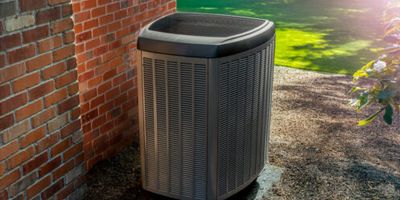
As your HVAC system gets older, its efficiency tends to decline and the need for repairs often increases. This means higher utility bills and mounting repair expenses. Most HVAC systems are designed to last between 8 and 20 years, depending on the brand, maintenance, and overall usage. If your unit is approaching or has surpassed this range, it might be time to consider a replacement.
Scheduling routine inspections is key to maintaining comfort and safety, especially with aging systems. Older units may rely on outdated technology, which can lead to decreased efficiency and a larger carbon footprint. An experienced HVAC technician can let you know if it's time for an upgrade.
Frequent Repairs
If you find yourself calling for repairs more frequently, your HVAC system could be nearing the end of its life. While some maintenance is expected, constant breakdowns suggest it's time to weigh the cost of ongoing fixes against the investment in a new system. A qualified HVAC specialist can evaluate your current system and help you decide whether a replacement is the smarter long-term choice.
Rising Energy Bills
A steady rise in energy bills could signal that your HVAC unit is losing efficiency. As it ages, the system may need more energy to heat or cool your home effectively. Replacing it with a high-efficiency unit can lower your utility costs and enhance overall performance. An HVAC professional can review your energy usage and determine if a system replacement is the best route.
Inconsistent Temperature and HVAC Replacement
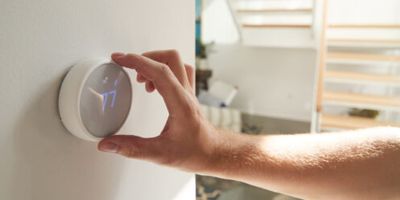
Uneven temperatures throughout your home often point to an HVAC system that's struggling to circulate air properly. If you notice hot or cold spots, the issue could stem from worn-out ductwork, a faulty thermostat, or an outdated system that can no longer maintain consistent airflow.
Sometimes, a few targeted repairs can fix the issue. But if the problem continues, upgrading your HVAC unit can improve both temperature control and airflow. A new system not only brings better comfort but also boosts efficiency and reduces energy waste.
Poor Indoor Air Quality
As your HVAC system nears the end of its useful life, you may notice a decline in air quality. Filters that are old or clogged fail to capture dust, allergens, and other pollutants effectively, allowing them to circulate in your home.
If your system can’t manage humidity or maintain adequate airflow, it may also encourage mold growth and other air quality issues. Replacing your unit with a newer, more advanced model can significantly enhance air filtration, moisture control, and ventilation. On average, HVAC systems should be replaced every 10 to 25 years, depending on condition and upkeep.
Strange Noises That Signal HVAC Replacement
Unusual sounds like banging, grinding, or rattling often indicate worn components such as motors, belts, or internal parts. Ignoring these warning signs can lead to more severe damage or a complete system failure. Persistent strange noises usually mean your HVAC system is on its last leg. Prompt inspection and replacement can help you avoid further complications and ensure your household stays safe and comfortable.
Older HVAC Systems and Foul Odors
Bad smells coming from your HVAC system may be caused by mold or mildew buildup or even refrigerant leaks. These issues not only affect comfort but could also pose health risks. If a deep cleaning or targeted repair doesn’t resolve the odor, it might be time to consider replacing the unit to maintain a safe and healthy home environment.
An Improperly Sized HVAC System
If your HVAC system wasn’t properly sized when installed, it may not be able to handle your home’s heating and cooling needs efficiently. Systems that are too large or too small can cycle on and off frequently, leading to extra wear and a shorter lifespan.
An experienced HVAC technician can assess your home's needs and recommend the ideal system size to maximize efficiency and performance.
Lack of Maintenance Leading to Early Replacement
Routine HVAC maintenance is essential for long-term system health. Technicians clean internal parts, replace filters, and handle small issues before they become major problems. Skipping regular service can lead to premature breakdowns and the need for early replacement. Units that are well-maintained often last 15 years or more, while neglected systems fail much sooner.
If your HVAC system is underperforming or showing signs of wear, turn to Blue Best Plumbing, Heating, Air, & Generators—a trusted provider in Bountiful, UT. Our experienced team will help you choose the right HVAC system for your home and handle the installation with care. In addition to system replacements, we offer services like AC installation and repair, furnace maintenance, plumbing, and more.