Thermostat Troubleshooting
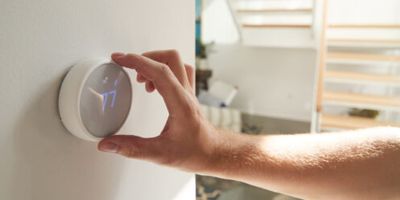
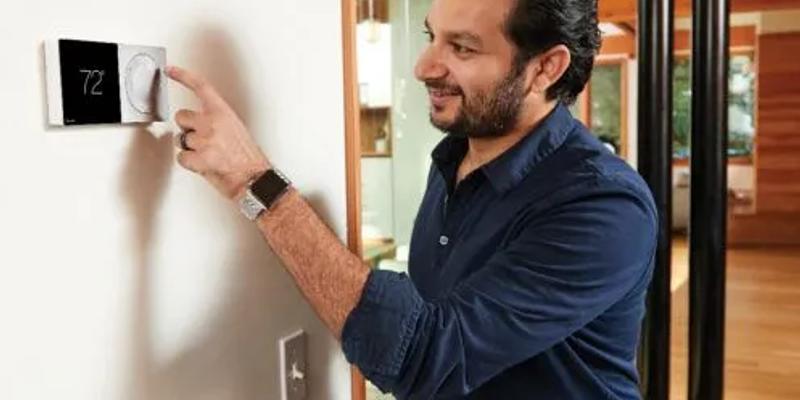
The thermostat serves as the control center for your entire HVAC system, and even minor malfunctions can cause major disruptions. If your system won’t turn on, look at the thermostat display. If the screen is blank, your thermostat might just need new batteries—or, if hardwired, there could be a separate issue causing the unit to shut off.
For systems that run continuously, check that the fan is set to “auto” rather than “on.” If the system isn’t heating or cooling properly, double-check that the thermostat is set to the correct mode: “cool” in summer, “heat” in winter. You can also clean inside the thermostat or reset it to factory settings per your owner's manual. Many smart thermostats include diagnostic tools to help you confirm correct operation.
HVAC Filter Check
Air filters play a vital role in system performance. A dirty or clogged filter can restrict airflow and trigger short cycling, high energy bills, or even complete shutdown in more advanced systems.
If it’s been a while since your last filter change, start there. Replace or clean the filter, and you may restore normal function. Mini-split systems have washable filters in each indoor unit, which should be removed, cleaned, and reinstalled. If the filter is damaged or worn, replacing it can improve airflow and system efficiency.
Circuit Breaker Reset
If your HVAC suddenly shuts off, a tripped circuit breaker might be the culprit—especially after hearing a loud noise from the outdoor unit. A sudden “bang” could signal a hard start issue with the compressor, and in that case, it’s best to stop troubleshooting and call for professional help.
Otherwise, if your system won’t power on, check the main electrical panel for a tripped breaker—even gas-powered systems need electricity. If you reset the breaker and it trips again, don’t try to force it. Persistent tripping can indicate deeper problems like compressor strain, electrical faults, or short circuits.
HVAC Disconnect Switch
By code, most HVAC systems include an external disconnect switch, typically located near the outdoor unit. If the system isn’t running, make sure the switch hasn’t been accidentally disengaged. The plug-style switch must fit snugly into its socket. If it’s loose, reseat it to restore power.
Combustion Safety Warnings
If you notice a rotten egg smell (a sign of gas), carbon monoxide alarms, or a pilot flame that isn’t blue, stop immediately. Shut off your HVAC system and, if safe, turn off your gas supply. These symptoms can signal serious risks like gas leaks or carbon monoxide exposure. Evacuate if needed and call a professional right away.
If your furnace’s pilot light has gone out, you can attempt to relight it—only if it’s safe. Clear the burner area, set the control to “pilot,” press and hold the reset button, and use a long lighter to ignite the flame. If it won’t stay lit, leave it off and call a technician.
Outdoor Unit Inspection
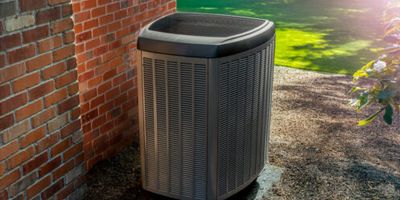
Strange noises or weak airflow can be traced back to your outdoor condenser. Take a look inside—leaves, twigs, or debris can block airflow. Gently clear out any obstructions and check if the unit resumes normal operation.
If you notice signs of damage, a hissing noise (possible refrigerant leak), or ice buildup, switch off heating or cooling modes and run the fan to help defrost. Then, schedule professional service to prevent further damage.
Vent Inspection
Uneven temperatures or poor airflow? Check your vents. Make sure all are open unless your system has been zoned for selective venting. Clean vent covers and inside the duct openings to eliminate blockages from dust or debris. Closed or dirty vents can affect room-by-room comfort and cause strain on your system.
Condensate Drain Problems
HVAC systems use a drain line to remove excess moisture. If you see water pooling in the drip pan or around the unit, your condensate drain may be clogged. You might be able to clear the clog if it's near the drain opening, but deeper blockages and wet switch failures need professional repair. Overflowing water can damage nearby components or flooring, so don’t ignore it.
Do You Need Help With Your HVAC System?
If basic troubleshooting hasn’t resolved the issue, it’s time to contact Blue Best Plumbing, Heating, Air, & Generators. We proudly serve Bountiful and nearby communities with a team that has over two decades of HVAC expertise. From system repairs and installations to preventive maintenance and smart thermostat upgrades, we handle all your heating and cooling needs.
We also offer full-service plumbing—including water heater repairs, softener installations, drain cleaning, and more. Need help with indoor air quality? Our team installs advanced air purifiers and humidity control systems. Call us today to schedule maintenance or get expert help with your HVAC maintenance service.