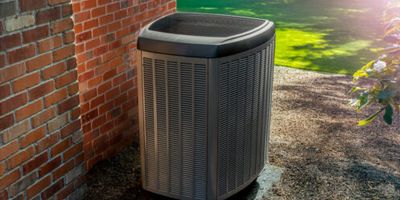

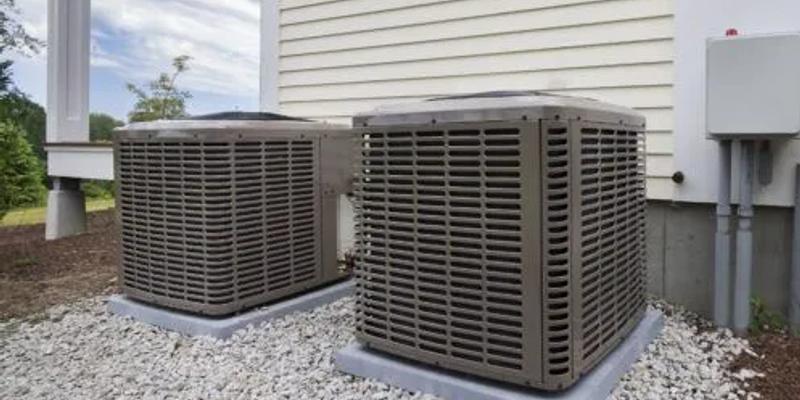
The Inherent Problems With Central Forced-Air HVAC
Conventional forced-air HVAC systems use centralized components to achieve efficiency and widespread comfort. The idea is simple: operating one compressor and a few large fans uses less energy than multiple smaller systems. However, this setup comes with trade-offs—especially when it operates at a single speed and relies on just one thermostat. The result? Temperature fluctuations throughout your home.
When your system turns on, it often feels too hot or too cold while it's running—and when it shuts off, the opposite happens. These systems typically cycle multiple times per hour, leading to temperature swings of up to 2 degrees above or below your set point.
Starting up the HVAC motor and compressor also demands a significant energy spike, which is why systems are equipped with capacitors to handle the load. All of that frequent cycling and single-speed operation isn’t just inefficient—it compromises comfort and drives up your utility bills.
What Is a Variable Speed Air Handler?
A variable-speed air handler is built with an electrically commutated blower motor—meaning it can adjust its speed based on voltage input. This allows the system to modulate airflow rather than turning on and off frequently. Instead of cycling constantly, a variable-speed air handler maintains your desired indoor temperature by adjusting its speed as needed.
The Advantages of Variable-Speed Air Handlers
Upgrading to a variable-speed air handler offers several major benefits over standard HVAC systems. Here’s what makes them a smarter choice.
Consistent Heating and Cooling
These systems provide steady indoor temperatures by delivering just the right amount of conditioned air when needed. For instance, if you drop the thermostat setting by several degrees, the blower speeds up. Once the target temperature is reached, it slows down to maintain that level. Some units offer true variable-speed operation, while others step up or down in preset intervals—either way, they can operate at speeds as low as 25% of full capacity.
Superior Air Quality
Since variable-speed air handlers operate for longer durations without shutting off, they continuously circulate air through your HVAC filter. This frequent air exchange helps remove more airborne pollutants and enhances your home’s indoor air quality. For even better results, consider upgrading your HVAC filter.
Quieter Operation
These systems are significantly quieter than traditional HVAC setups. Unlike single-speed systems that produce a noticeable blast of air when starting, variable-speed units typically operate so quietly that they’re nearly unnoticeable—even when they’re running.
Increased Energy Efficiency
A key advantage is energy savings. Operating a fan at a lower speed requires much less electricity than running it at full capacity. Even if the system runs longer at reduced speeds, it uses far less energy overall. Depending on your system’s configuration, you could see energy savings of up to 75%.
Reduced Wear and Tear
Because variable-speed systems avoid frequent starts and stops, they experience less stress on components like motors and compressors. That means fewer breakdowns, lower repair costs, and a longer system lifespan.
Compatibility With Zoning Systems
Variable-speed air handlers pair perfectly with zoning systems, which divide your home into different temperature-controlled areas. Each zone has its own thermostat, allowing for tailored comfort throughout the house. Single-speed systems struggle with zoning due to pressure issues, but variable-speed units adapt their fan speed based on how many zones are calling for air, improving performance and flexibility.
Superior Humidity Control
These systems also excel at managing indoor humidity. In Bountiful’s winter months—when humidity levels average between 78% and 83%—a variable-speed air handler can make a noticeable difference. By running continuously at a lower speed, it removes more moisture from the air, helping your home feel more comfortable during the cold season.
Your Local HVAC Experts
If you're ready to upgrade your home’s HVAC system with a variable-speed air handler, the experts at Blue Best Plumbing, Heating, Air, & Generators are here to help. We offer full-service HVAC service, including installations, repairs, and maintenance. We also handle plumbing, indoor air quality improvements, and ductwork services for residential and commercial clients alike.
We proudly install top-tier systems from Lennox and Amana—two of the industry’s most trusted names. As a BBB-accredited business with an A+ rating and outstanding local reviews, you can count on us for quality service. Need financing? We offer flexible payment options for qualified customers.
For expert help with variable-speed air handlers in Bountiful, call Blue Best Plumbing, Heating, Air, & Generators today!