
Central Air Conditioners
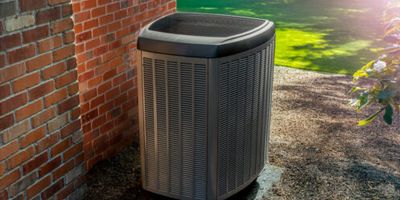
Central air conditioning remains one of the most common home cooling solutions. These systems include an indoor air handler and an outdoor condenser, connected via refrigerant lines. During operation, indoor air is drawn into the system, passed over an evaporator coil filled with refrigerant, and cooled before being circulated through your home’s ductwork.
The heated refrigerant is then pumped to the condenser outside, where the heat is expelled into the air. This cycle repeats throughout the cooling season to maintain a comfortable temperature indoors.
Heat Pumps
Heat pumps operate similarly to central ACs when cooling your home—but with the added bonus of heating capabilities. In cold weather, the refrigerant cycle is reversed, allowing the system to absorb heat from outdoor air and bring it indoors.
Heat pumps are available in ducted configurations, similar to central AC, or as ductless mini-splits, which rely on wall- or ceiling-mounted air handlers placed in different rooms. Air-source heat pumps are the most popular option due to their affordable installation. Geothermal models, while highly efficient, are more expensive and require major excavation, making them less common for residential use.
Lifespan
In terms of expected lifespan, central AC systems typically last 15 to 20 years, provided they receive regular maintenance. Air-source heat pumps usually last between 10 and 15 years—but that shorter lifespan is due to the fact that they operate year-round, both for heating and cooling. Keep in mind, wear and tear are greater with heat pumps since they work in every season.
Efficiency
When comparing efficiency, both central ACs and air-source heat pumps have similar energy performance during the summer. However, ductless mini-split systems are often more efficient because they don’t rely on ductwork, which can lose air through leaks or gaps over time.
Geothermal heat pumps offer the highest efficiency of all because they pull heat from underground, which remains at a consistent temperature year-round—allowing them to operate more effectively than air-based systems.
Price
Upfront costs can be a major deciding factor. If you already have ducts, a central air conditioner is typically more affordable than a heat pump. Air-source heat pumps generally cost 1.5 to 2 times more than central AC systems. Geothermal heat pumps are the most expensive option, often 2 to 3 times the cost of a traditional system, due to their complex and invasive installation requirements.
Tax Incentives
Thanks to the Inflation Reduction Act of 2022, homeowners who invest in energy-efficient HVAC systems can qualify for federal tax credits. Eligible systems must be ENERGY STAR certified and meet regional efficiency standards.
- Central air conditioners may qualify for up to $600.
- Air-source heat pumps are eligible for credits up to $2,000.
- Geothermal systems can qualify for as much as $3,200.
These credits cover 30% of the cost, including installation, up to the set limits.
Maintenance
Routine maintenance is essential for long-term performance. Central AC units need an annual tune-up and regular filter changes during summer. Heat pumps, since they function year-round, require biannual service—in spring for cooling, and fall for heating.
Mini-splits often use washable filters, which must be cleaned monthly to maintain optimal airflow and efficiency.
Existing Infrastructure
The presence of existing ductwork can play a major role in your decision. If your home already has ducts, installing either a central AC or a ducted heat pump is straightforward. However, if you don’t have ductwork in place, installation can become invasive and costly, often involving cutting into walls or floors.
In such cases, ductless systems offer a more affordable and less disruptive solution.
You should also factor in the age of your current heating system. If it’s aging, a heat pump may be the smarter long-term investment since it combines heating and cooling. On the other hand, if your furnace or boiler is still in great shape, installing a central air conditioner could be more cost-effective.
Expert HVAC Installation Service
Blue Best Plumbing, Heating, Air, & Generators proudly serves the Bountiful, UT area with professional HVAC installation services. Whether you’re considering a heat pump or a central air conditioning replacement, our skilled technicians can help you choose the best system for your home.
Give us a call today to schedule your in-home consultation with our friendly team at Blue Best Plumbing, Heating, Air, & Generators—we’re here to help with all your heating and cooling needs.