
What Is a Mini Split?
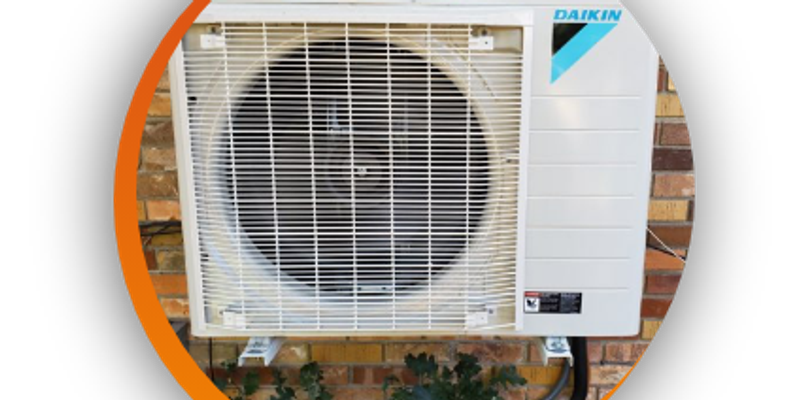
A mini split system consists of an outdoor unit paired with one or more indoor units. Each indoor unit has its own blower, pushing cool air directly into different rooms of your home. Because they don’t use ductwork, mini splits are often referred to as ductless air conditioners. Instead of ducts, a refrigerant line connects the outdoor and indoor units. Each indoor unit includes a blower, coils, and a filter. Warm air passes over refrigerant-filled coils, which cools it before being circulated back into the room.
Some mini splits function as both air conditioners and heat pumps. While many heat pump mini splits aren’t designed for Wasatch Front winters, certain models can still provide efficient heating even when temperatures dip as low as -13°F.
Efficiency and Pros of Choosing a Mini Split
Mini-split systems are well-known for their efficiency, thanks to advanced technology. One of their biggest advantages is the inverter, which converts your home’s AC power into DC power, allowing the unit to run with greater energy savings.
Another efficiency boost comes from variable-speed compressors. Unlike many central AC units that only run at one or two speeds, mini splits can adjust to multiple speeds, using just the right amount of energy to maintain your desired temperature. This means less cycling on and off, resulting in more consistent comfort and higher efficiency. Because of this, many mini splits boast SEER ratings well into the 30s, along with equally strong heating performance.
Zoning is another big benefit. With separate indoor units in different rooms, you can cool only the spaces you’re using. This makes mini splits ideal for targeted areas like garages, basements, or add-ons, while a central AC system covers the rest of the house.
Cons of Mini Splits
While mini splits offer efficiency, they do have limitations. Their air filtration isn’t as robust as central AC systems, which use larger, more effective filters. Although you can add carbon filters or air purifiers, they typically won’t match the allergen and odor control of a central system since they recycle the air already inside your home.
Drainage can also be a concern. If the condensate line can’t be routed downhill, a condensate pump is required. These pumps add cost, need regular upkeep, and can be noisy.
Maintenance is another factor. Filters on mini splits must be cleaned every few weeks. Neglecting this can cause efficiency to drop, strain the system, and lead to early breakdowns.
Cost is also a drawback. Mini splits generally run about 30% higher in upfront cost than central AC—especially in homes with existing ductwork—because multiple indoor units are often needed to cool an entire home.
At Blue Best Plumbing, Heating, Air, & Generators, we provide side-by-side estimates for both systems so you can clearly see the differences in initial investment and long-term savings.
Pros and Cons of Central Air
Central air conditioning offers advantages that offset some of the mini split’s drawbacks, including:
- Lower initial cost in most cases
- Solid efficiency with 14–20 SEER ratings
- Whole-home comfort coverage
- Superior air filtration
- Easy integration with add-ons like humidifiers, dehumidifiers, and purifiers
If your current AC is 15 years old or more, replacing it with a modern central system can cut your electricity bills significantly. Older units often have SEER ratings as low as 8 or 9, while a new 15 SEER system offers major efficiency gains. Homes with existing ducts benefit the most, since no additional installation is required.
Central air is especially practical for homes over 2,000 square feet or with open floor plans, where the number of mini-split indoor heads needed would outweigh efficiency benefits. Larger spaces often require multiple heads to maintain comfort, reducing the system’s cost-effectiveness.
That said, central AC has its own downsides:
- Higher energy bills in smaller homes with multiple zones
- Ongoing duct cleaning and maintenance costs
- Limited control over individual room temperatures
- Can’t truly shut off zones—only vents
Closing a vent doesn’t reduce the workload on the system, which continues to push the same amount of air. Most homeowners also opt for single-stage condensers to save money, which means the system only turns fully on or off.
So, are mini splits more efficient than central air? The answer is—it depends. Mini splits often achieve higher SEER ratings, but they aren’t always the best fit for every home. For large or open layouts, central air usually makes more sense. Mini splits are ideal for homes with multiple rooms where cooling can be zoned to save energy.
Our team can help you evaluate which system best fits your home by providing personalized estimates for both options.
Contact Us for All Your HVAC Needs
Our team has spent over 20 years serving homeowners in Bountiful and across the Wasatch Front. As a locally and women-owned and operated HVAC company, we specialize in honesty, quality, and customer care.
We install, repair, and maintain both air conditioning and heating, and we also offer indoor air quality solutions such as whole-home filtration and dehumidifiers. We provide access to top-rated equipment, and we even offer financing on approved credit.
Need help deciding between a mini split and central air? Call Blue Best Plumbing, Heating, Air, & Generators today—we’re available 24/7, subject to availability, for all your heating and cooling needs.