
Reducing Your Energy Consumption With Energy Efficiency
Proper insulation creates a dependable thermal barrier, significantly cutting down on heat transfer throughout your home. During summer, it keeps outdoor heat from entering, helping reduce the demand on your air conditioning. In winter, it blocks the chill from seeping in, so your furnace doesn’t have to work overtime. This results in lower overall energy use and more manageable utility bills.
Securing In-Home Comfort
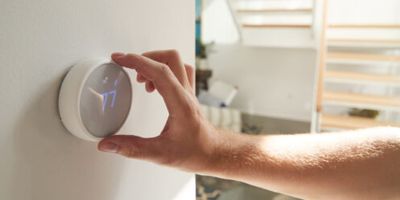
After a busy day, your home should be a cozy retreat—but inconsistent indoor temperatures can get in the way. Uneven heating or cooling, drafts, and air leaks can all make your living space uncomfortable, increase energy expenses, and affect indoor air quality. A well-insulated home helps maintain even temperatures from room to room, letting your HVAC system run more efficiently.
Insulation also plays a role in indoor air purity. Without enough insulation, outside air—and everything in it—can seep into your home. This includes allergens like pollen, dust, mold spores, and pollutants. If you suffer from allergies, poor insulation may worsen symptoms such as nasal congestion, throat irritation, or coughing.
Protecting Your HVAC System
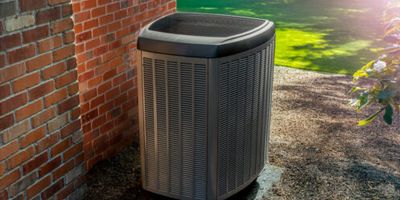
Your HVAC system works hard to keep you comfortable, but constant use puts a strain on its components. When your heating or cooling equipment runs more than necessary, it can wear out faster, leading to frequent repairs or early replacement. While routine maintenance is important for preventing problems, upgrading your insulation can also reduce how often your system runs—minimizing wear and boosting overall efficiency.
Maintaining a Quiet Home
Beyond energy savings, insulation can also help create a quieter indoor environment. It acts as a buffer against outside noise like traffic or construction. Installing insulation in both exterior and interior walls, as well as in the attic and basement, can greatly improve your home’s peace and quiet.
Efficiency Reducing Your Carbon Footprint
Insulating your home isn’t just good for your wallet—it’s good for the planet. By cutting down on energy use, you reduce the greenhouse gas emissions your home produces. This lowers your household’s carbon footprint and supports a more environmentally responsible lifestyle.
Assessing Insulation Levels
To know if your home needs better insulation, it’s best to work with an experienced professional. Our team will assess how much insulation is present in different parts of your home and what type is currently used. The insulation’s R-value—its resistance to heat flow—helps us determine how effective it is. For example, fiberglass batts tend to have a lower R-value, while spray foam insulation offers higher thermal resistance.
If we find your insulation is lacking, we’ll show you which areas need improvement, what materials are best suited for those spaces, and what the project will cost. In some cases, we might recommend using different types of insulation in different sections of your home—like applying spray foam in the attic or basement.
Insulation Options for HVAC Efficiency
If your goal is to improve your HVAC system’s performance, several insulation options can help:
Insulation Batts
These pre-cut rolls are widely used throughout the U.S. and are easy to install in attics, walls, and floors.
Loose Fill
Ideal for hard-to-access spaces like interior wall cavities, this form of insulation is blown in without needing to remove drywall or cause major disruption.
Spray Foam Insulation
Using a hose and compressor, this semi-liquid material is sprayed into place where it expands and hardens. It creates an airtight seal for maximum efficiency.
Foam Board Insulation
Often used in new builds or remodels, foam board panels are placed behind drywall and are particularly effective in moisture-prone areas like basements.
Reflective Insulation
Designed to reflect heat away from your home, this type is especially effective in hot climates or sun-exposed areas.
Radiant Barrier
Similar to reflective insulation, this material comes in rolls and is typically installed in attics or beneath roofing to enhance overall insulation.
Signs Your HVAC System Would Benefit From Insulation
Wondering if additional insulation could improve your HVAC performance? Watch for these indicators:
High Utility Bills
If your energy costs seem unusually high, your HVAC system might be working too hard due to poor insulation. Upgrading could lead to significant savings.
Drafts
Noticing chilly or warm spots in certain areas? Drafts often indicate that your HVAC is running longer than it should to maintain comfort, increasing wear on the system.
Moisture Issues
Inconsistent humidity levels may be a sign that outdoor air is infiltrating your home. Improved insulation helps stabilize both temperature and humidity.
Contact Us Today
If you need assistance with your Bountiful home’s insulation, you can rely on the team at Blue Best Plumbing, Heating, Air, & Generators. We would be happy to provide you with an energy assessment, determining if upgrading your insulation will improve HVAC efficiency, boost indoor air quality, and lower your utility bills. We also offer a variety of other services, including the installation, repair, and maintenance of all heating and cooling equipment. This includes heat pumps and mini-splits. We also offer plumbing assistance, such as unclogging pipes, making new fixture installations, and more. Customer satisfaction is our top priority on every project. We want to make sure your HVAC system runs optimally all year long, which is why we provide a dedicated maintenance plan.
We’re committed to customer satisfaction and want your HVAC system running smoothly year-round. Ask us about our convenient maintenance plans.
Ready to start your home energy upgrade? Contact Blue Best Plumbing, Heating, Air, & Generators today to book your consultation with our friendly team.