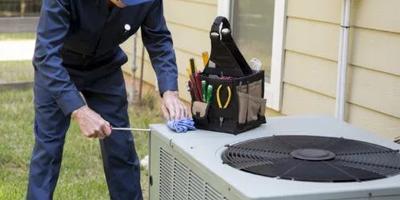


The Anatomy of an Air Conditioner
A standard central air conditioner has two key parts: the indoor air handler and the outdoor condenser unit. Inside, the air handler contains the evaporator coil and blower fan, while the condenser unit outside holds the compressor, condenser coil, and another fan. These components work together using refrigerant to transfer heat out of your home. Rather than creating cold air, your AC removes heat from inside and pushes it outdoors.
AC Refrigerant: The Lifeblood of Residential Cooling Systems
Think of your air conditioner as a living system—refrigerant acts like its lifeblood. This essential fluid enters the air handler as a cold liquid and exits as a hot vapor. During every cooling cycle, the compressor increases or decreases the refrigerant’s pressure, much like a heart pumping blood, moving it throughout the system to absorb and release heat.
The Movement of Refrigerant During the Cooling Cycle
When your AC starts a cooling cycle, it pulls in warm indoor air and passes it across the evaporator coil. The cold refrigerant inside this coil absorbs the heat, and the now-cooled air is pushed back through your ducts, helping drop your home’s temperature.
Once the refrigerant captures the heat, it turns into a high-pressure gas and travels to the compressor. There, it’s condensed back into a liquid, releasing heat and forming condensation that exits your home through a drain.
Each cycle drops your indoor temperature incrementally. Most systems run 15–20 minute cycles, but more efficient units may cool your home in just 10–15 minutes. On hot, humid days, your system might complete two to three cycles per hour.
Short and Prolonged Cooling Cycles
If your air conditioner runs for more than 25 minutes per cycle, it might be undersized for your home or in need of service. On the other hand, if it turns on and off more than five times an hour, it could be too large or experiencing short cycling—another sign maintenance is needed.
Humidity Control
Air conditioners manage more than just temperature—they also clean indoor air and reduce humidity. Since dry air feels cooler, excess indoor moisture can make your home feel warmer than it is. If your space feels damp or muggy, there may be an issue with the condensate drain line.
During the cooling cycle, moisture removed from the air drains through this line. If it's blocked, your AC could overheat, short cycle, or struggle to cool your home effectively. Blocked drains can make your home feel clammy and uncomfortable.
These drain lines often accumulate algae or slimy bacterial growth, especially after the AC has been off for months. Skipping seasonal maintenance increases the risk of such buildup.
Why Air Filtration Matters
It’s a common misconception that HVAC air filters are solely for air quality. While they do help clean your air, their main job is to protect your system’s internal components. These filters trap large airborne particles before they can damage parts like the evaporator coil.
Air filters capture:
- Carpet and textile fibers
- Dust
- Pet and human dander
- Pollen
- Hair from both people and pets
Neglecting to change the filter can reduce airflow and cause problems like short cycling, reduced cooling performance, and high humidity. Worse, dirt can collect on evaporator coils, making it harder for them to pull heat from the air—this can cause your system to freeze up.
Blockages at the AC Condenser Unit
While moisture exits through the condensate line, heat escapes through the outdoor condenser. Typically installed in a backyard or side yard, this unit needs a minimum of 24 inches of clearance all around to vent hot air effectively. If plants, shrubs, or debris crowd the unit, trapped heat can lead to overheating and system failure.
Your Thermostat’s Role in the Cooling Process
Even a perfectly working AC system won’t run if the thermostat fails or reads temperatures inaccurately. Central HVAC systems rely on one thermostat placed in a neutral location. When it senses that the room is warmer than your desired setting, it tells your AC to begin cooling.
As part of regular maintenance, technicians inspect, test, and calibrate thermostats to ensure they’re providing accurate temperature readings.
The Science of BTUs
Choosing the right air conditioner starts with understanding BTUs, or British Thermal Units—the standard measurement for cooling capacity.
Back in the day, people used ice blocks to cool their homes. Melting one ton of ice took 12,000 BTUs, while one pound required just 143. Though today’s cooling systems are far more advanced, BTUs still measure how much heat an AC can remove.
To determine how many BTUs your home needs, consider the total square footage of the area you want to cool. While online charts offer general guidance based on size, we use the Manual J Load Calculation—a far more precise method. This calculation includes:
- Amount of insulation
- Ceiling height
- Number and size of windows
- Number of people living in the home
- Layout of the building
Since the Manual J process involves complex variables, we use specialized software to size your system correctly.
Blue Best Plumbing, Heating, Air, & Generators is proud to help Bountiful, UT homeowners get the most from their air conditioning systems. From expert heating and cooling services to plumbing and indoor air quality upgrades, we’ve got you covered. We also offer ductwork solutions and preventive HVAC maintenance plans. Want to learn more about how AC works or schedule a service? Contact Blue Best Plumbing, Heating, Air, & Generators now