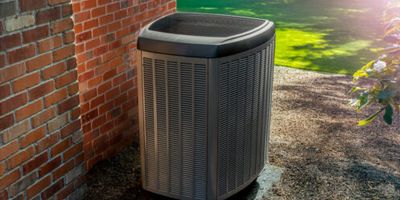


Before selecting a new HVAC system for your home along the Wasatch Front, it's smart to have an expert perform a load calculation. This process evaluates key factors such as your home’s square footage, sun exposure, and household occupancy to determine the ideal system size.
Installing a unit that’s too large for your home can lead to frequent short cycling—turning on and off more often than necessary. That may not sound serious, but HVAC systems are built with a limited number of operational cycles. Constant cycling puts additional stress on components and can lead to premature breakdowns.
Your HVAC system also relies on ductwork and a blower to circulate air evenly. When a system is oversized, it may heat or cool the space too quickly and shut off before air has been properly distributed. This can result in uneven temperatures throughout your home. For instance, in older homes, it's not uncommon for basements to remain chilly if the system shuts off too soon to push warm air downstairs.
On the flip side, systems that are too small bring their own problems. If your unit isn’t powerful enough, you’ll likely notice right away—rooms never feel quite comfortable, whether it’s hot or cold outside. Worse still, that small system is likely working overtime, which leads to early wear and a shortened lifespan.
To ensure your system is the right fit—not too big or too small—get in touch with the HVAC pros at Blue Best Plumbing, Heating, Air, & Generators. They’ll make sure your new system delivers optimal comfort, performance, and efficiency for years to come.