

Clogged Air Filter or Blocked Return Vents
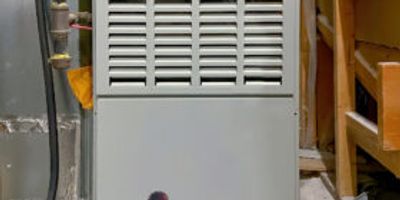
If your furnace consistently sounds louder while running, restricted airflow is often the culprit. When airflow is blocked, the blower motor has to work harder, which makes the system noisier.
A dirty air filter is the most frequent cause of restricted airflow. If filters aren’t replaced every month or two, dust and debris can build up until very little air can pass through. Obstructed supply vents—whether clogged with dust or blocked by furniture—can also contribute to the problem. Both scenarios put extra stress on the blower, causing it to run louder than normal.
Dirty Gas Burners
If you hear a loud boom when the furnace kicks on, dirty burners are likely to blame. Without regular maintenance, soot and debris can clog the burners, causing a delay in ignition. That delay allows gas to build up before lighting, which results in a small fireball or mini-explosion once it finally ignites.
This issue should never be ignored. While the chance of an actual explosion is low, the force and heat can damage critical parts like the heat exchanger, which could lead to dangerous carbon monoxide leaks.
Worn Bearings or Blower Belt
High-pitched screeching or squealing sounds usually point to problems with the blower motor. Modern furnaces often use direct-drive motors with sealed bearings, which can wear down over time. Older furnaces may use belt-driven motors, and just like a car belt, they can slip, squeal, or wear out.
In most cases, bearings or belts can be replaced fairly easily. However, the repair shouldn’t be delayed—ignoring the issue could lead to overheating and motor failure.
Misaligned or Loose Blower
Grinding or scraping noises typically mean the blower has shifted or loosened within its housing. As it spins, it may scrape against the sides, producing a metal-on-metal sound. While not as critical as other furnace problems, it still requires attention to avoid damaging the blower, which could then need a full replacement.
Leaky or Damaged Air Ducts
If you notice loud whistling sounds when the furnace runs, your ductwork may have gaps, cracks, or holes that allow air to escape. Escaping air can create a whistling noise, while loose or sagging ducts may cause rattling sounds.
While duct issues aren’t typically dangerous, they reduce efficiency and drive up energy costs. Sealing or repairing ductwork will quiet the system and help keep heating and cooling bills under control.
Cracked Heat Exchanger
A cracked heat exchanger is the most serious problem on this list. Not only does it reduce heating performance, but it also poses a major carbon monoxide hazard.
Unfortunately, small cracks are hard to detect. Often, the first sign is a triggered carbon monoxide detector. Larger cracks or loose connections may cause rattling noises or a sharp, chemical-like odor. In most cases, replacing the furnace is the safest and most cost-effective solution, unless the unit is still under warranty. If you suspect this issue, turn the furnace off immediately and call for professional help.
At Blue Best Plumbing, Heating, Air, & Generators, we help homeowners find the source of furnace noise and restore safe, quiet operation. Our technicians repair all makes and models of furnaces, as well as air conditioners, heat pumps, ductless mini-splits, and fireplaces. We also provide expert installation and routine maintenance services. As a BBB-accredited company, we’re committed to delivering top-quality service. Call Blue Best Plumbing, Heating, Air, & Generators today to schedule a furnace inspection or any heating and cooling service in Bountiful or the Greater Salt Lake City area.