
In this article, we’ll explore how regular HVAC inspections can improve system performance, extend lifespan, and lower your operating costs. You’ll also get a breakdown of what a typical inspection involves and how frequently it should be scheduled.
Enhanced Energy Efficiency
It’s surprising how quickly dust, pet hair, pollen, and other particles can build up inside your HVAC system. This buildup forces your equipment to work harder to maintain the temperature you’ve set, which drives up energy usage and utility costs.
Routine inspections help ensure your system stays clean and efficient. By catching and addressing early signs of dirt and mechanical wear, professional technicians help optimize your system’s energy use year-round.
Fewer Chances of Breakdowns
HVAC systems often seem to fail when you need them most—during extreme weather. That’s usually because small, unnoticed issues are pushed to the limit when your system is running nonstop.
Scheduling regular inspections reduces the chances of inconvenient and costly breakdowns. Technicians can identify and resolve minor problems before they escalate into system-wide failures.
Increased System Lifespan
Replacing a residential HVAC system is a significant expense. While many systems are built to last 15–20 years, lack of maintenance can shorten that lifespan significantly. In fact, wear and tear often starts showing as early as year 10.
By scheduling regular inspections, you give your system the best shot at lasting its full intended life. Technicians will check for leaks, worn parts, and mechanical issues that—if left untreated—could lead to early system failure.
What to Expect During an HVAC Inspection
A proper HVAC inspection is a thorough process, and it should always be performed by a qualified technician. Expect the visit to take at least an hour or two, and plan to be available to answer any questions or approve repairs if needed.
Here’s what a typical inspection includes:
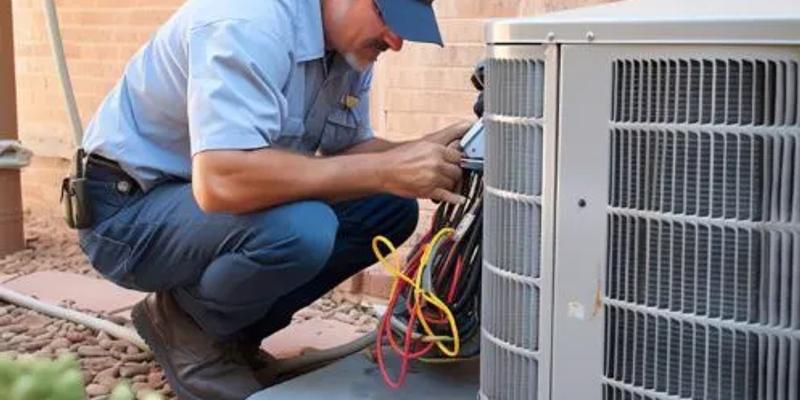
Electrical Checks
The technician will test voltage levels and inspect for worn or faulty electrical components. This is crucial to prevent potential hazards like short circuits or electrical fires.
Lubrication of Moving Parts
Motors and bearings need regular lubrication to reduce friction and prevent unnecessary wear. This step helps extend the life of your system’s mechanical components.
Condensate Line Inspection
Your HVAC system generates moisture during operation. If the condensate line gets clogged, it can cause water to back up and overflow—leading to ceiling, attic, or structural damage. Inspections ensure this line stays clear and functional.
Airflow Testing
Restricted airflow can cause high energy bills and uneven temperatures. During the inspection, the technician checks ductwork, filters, dampers, and fan speeds to diagnose and fix any airflow issues. If dust buildup is found, a duct cleaning may be recommended.
Refrigerant Pressure Check
To function properly, your system’s refrigerant must operate under precise pressure conditions. The technician uses a gauge to measure pressure and looks for coil or fan damage if levels are off. Leaks are also checked, as they can impact pressure and efficiency.
Blower Motor Cleaning
This key component drives air circulation in your HVAC system. A dirty blower motor can lead to poor performance and costly repairs. Routine cleaning helps maintain efficiency and avoid mechanical issues.
A detailed multi-point inspection like this not only improves system performance—it also helps protect your manufacturer warranty. Most warranties require proof of regular maintenance, so staying on top of inspections helps you stay covered.
How Often Should You Get an HVAC Inspection?
Regular HVAC inspections reduce emergency service calls and improve the unit’s energy efficiency. This timing ensures your system is ready before the peak heating and cooling seasons. It also helps you avoid long waits during the busiest service periods.
What to Do in Between Inspections for Long-Term Efficiency
Between professional visits, a few simple tasks can go a long way toward maintaining your system.
- Change the air filter every 30 days if you have pets or smoke indoors. If not, every 60 days is usually sufficient.
- Rinse off your outdoor AC unit during summer, removing leaves, grass, and debris to ensure proper airflow.
- Watch for signs of trouble—if your system seems less efficient or your energy bills spike, call for a diagnostic check before a small issue becomes a big repair.
Reliable HVAC Inspections
At Blue Best Plumbing, Heating, Air, & Generators, our team has spent over 20 years serving Bountiful and nearby communities. We’re a locally and women-owned and operated, BBB-accredited business offering comprehensive HVAC and plumbing services you can trust.
Our HVAC maintenance plan offers valuable perks, including:
- Discounts on repairs and new installations
- Extended labor warranties
- No additional charges for after-hours service
- Priority scheduling
Routine maintenance not only helps you avoid major breakdowns—it also keeps your system performing at its best, cutting down on monthly heating and cooling costs. We specialize in top-quality installations, but we work on all brands and models.
Looking for flexible payment options? We also offer financing on approved credit to make comfort more affordable.
If it’s been a while since your last HVAC tune-up, now’s the perfect time to schedule a service. Call Blue Best Plumbing, Heating, Air, & Generators today to get your HVAC system on track for long-term efficiency and comfort.