

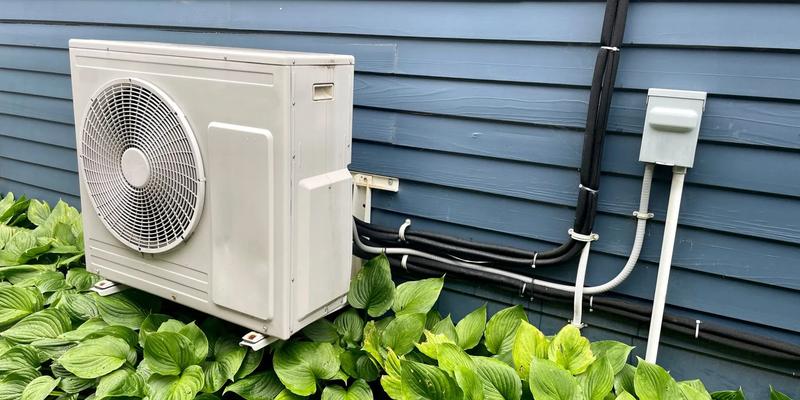
Ductless mini-splits, by contrast, offer a modern, streamlined alternative. With fewer components, greater flexibility, and advanced technology, they’re changing the way we think about home heating and cooling. Here’s why ductless systems are shaping the future of HVAC.
1. Easier Installation With Less Disruption
One of the biggest benefits of ductless systems is how simple they are to install. Unlike traditional HVAC systems that require extensive ductwork, ductless mini-splits only need a small wall opening to connect the indoor air handler to the outdoor condenser.
This low-impact setup makes it easier to install units quickly, without major structural changes to your home. It also allows for more placement flexibility—the outdoor condenser can be located up to 50 feet away from the indoor unit, giving you more options for both comfort and aesthetics.
2. Energy Efficiency That Lowers Costs
Ductless systems are designed to heat or cool individual rooms or zones, rather than your entire home. That means you can direct comfort where you need it most—and avoid wasting energy in unoccupied areas.
This zone-based efficiency not only reduces your monthly utility bills but also shrinks your overall carbon footprint. If energy savings and sustainability are priorities in your household, ductless mini-splits are a smart choice for the future.
3. Built-In Zoning Flexibility
One of the standout features of ductless systems is their zoning capabilities. You can connect multiple indoor units to a single outdoor condenser, with each unit operating independently. That allows each room—or zone—to have its own thermostat and temperature settings.
So if you prefer a cooler bedroom, while someone else wants a warmer home office, everyone can stay comfortable without compromise. Some models even allow simultaneous heating and cooling in different zones, delivering the ultimate in personalized comfort.
4. Quiet, Comfortable Operation
Ductless mini-splits are engineered for whisper-quiet performance. With indoor units mounted high on the wall or near the ceiling—and outdoor units that can be placed far from living areas—noise is kept to a minimum.
Compared to the constant hum of a traditional system, a ductless mini-split is barely noticeable, creating a peaceful home environment.
5. Ideal for Renovations and Room Additions
If you're remodeling, finishing a basement, or adding on to your home, ductless systems are often the most cost-effective solution. Installing new ductwork can be expensive and time-consuming, while ductless mini-splits require only a small refrigerant line and minimal structural changes.
Whether you're updating an older space or expanding your footprint, these systems offer a practical, budget-friendly path to year-round comfort.
6. Enhanced Home Security
It might not be top of mind, but ductless systems can actually improve home security. Traditional duct systems sometimes leave larger access points in attics or basements that—while rare—could pose a vulnerability.
Ductless systems only require a small, sealed opening for the refrigerant line, offering fewer potential entry points and greater peace of mind.
7. Scalable Comfort as Your Needs Grow
Ductless systems are highly scalable. If you renovate or expand your home in the future, you can simply add more indoor units or upgrade to a larger outdoor condenser. There's no need to overhaul your entire system or overspend upfront on capacity you may not need right away.
This makes ductless mini-splits an especially smart investment for growing families or evolving spaces.
8. Cleaner Indoor Air
Since ductless systems operate without ductwork, there’s far less opportunity for dust, allergens, and bacteria to collect and circulate through your home. Many mini-splits also feature advanced filtration systems—some with washable filters—that help trap airborne particles before they reach your living space.
If anyone in your household suffers from allergies or respiratory issues, ductless systems can significantly improve your home’s air quality without the need for regular duct cleaning.
9. Advanced Technology With VRF Capabilities
Looking ahead, Variable Refrigerant Flow (VRF) systems represent the next evolution of ductless HVAC. These advanced systems use inverter-driven compressors for precise temperature control and greater energy savings. VRF technology is already making waves in commercial spaces, and it's quickly becoming more common in residential homes.
With enhanced zoning, better efficiency, and improved comfort control, VRF systems build on the benefits of traditional mini-splits—offering even more versatility and long-term value.
Whether you’re upgrading your current system or planning a home renovation, Blue Best Plumbing, Heating, Air, & Generators is here to help you take full advantage of ductless technology. We offer expert installation, maintenance, and repair for mini-split systems throughout Bountiful and the surrounding areas.
Looking for an energy-efficient way to heat and cool your home? Contact Blue Best Plumbing, Heating, Air, & Generators today to explore ductless options and schedule your consultation.